CAS 1189362-86-4
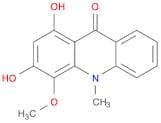
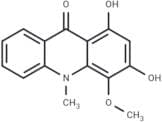
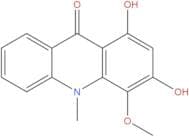
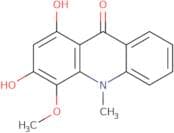
:9(10H)-Acridinone,1,3-dihydroxy-4-methoxy-10-methyl-
Description:
9(10H)-Acridinone, 1,3-dihydroxy-4-methoxy-10-methyl- is a chemical compound characterized by its acridine backbone, which is a fused ring structure containing nitrogen. This compound features multiple functional groups, including hydroxyl (-OH) and methoxy (-OCH3) groups, which contribute to its chemical reactivity and potential biological activity. The presence of these groups can influence solubility, polarity, and interaction with biological targets. The methyl group at the 10-position of the acridinone structure may also affect its steric properties and overall stability. This compound is of interest in various fields, including medicinal chemistry, due to its potential pharmacological properties. Its specific applications and biological activities would depend on further research, including studies on its mechanism of action, toxicity, and efficacy in relevant biological systems. As with many organic compounds, proper handling and safety measures should be observed when working with this substance in a laboratory setting.
Formula:C15H13NO4
Sort by
Purity (%)
0
100
|
0
|
50
|
90
|
95
|
100
Found 4 products.
1,3-dihydroxy-4-methoxy-10-methylacridin-9-one
CAS:1,3-dihydroxy-4-methoxy-10-methylacridin-9-one is a natural product for research related to life sciences.Formula:C15H13NO4Purity:98%Color and Shape:SolidMolecular weight:271.271,3-Dihydroxy-4-methoxy-10-methylacridin-9(10H)-one
CAS:Formula:C15H13NO4Purity:95%~99%Color and Shape:Yellow solidMolecular weight:271.2721,3-Dihydroxy-4-methoxy-10-methylacridin-9( H)-one
CAS:1,3-Dihydroxy-4-methoxy-10-methylacridin-9( H)-one is a synthetic derivative of the natural alkaloid family, which is primarily obtained from various plant sources known for their bioactive properties. This compound functions by intercalating into DNA, disrupting the replication process of rapidly dividing cells. By interfering with DNA synthesis, it effectively induces apoptosis in malignant cells, making it a valuable tool in oncological research for targeting specific cancer types. Its applications extend to in vitro studies to elucidate molecular mechanisms of cancer cell resistance and to aid in the development of effective combination therapies. Researchers continue to explore its potential to enhance the efficacy and selectivity of existing chemotherapeutic agents.Formula:C15H13NO4Purity:Min. 95%Molecular weight:271.27 g/mol