CAS 1196723-93-9
:HSF1A
Description:
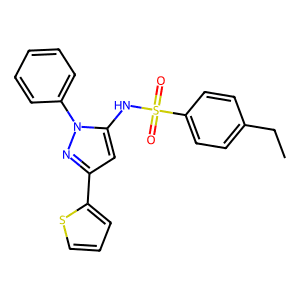
HSF1A, with the CAS number 1196723-93-9, is a small molecule that acts as a selective inhibitor of the heat shock factor 1 (HSF1) pathway. This compound is primarily studied for its potential therapeutic applications in cancer treatment, as HSF1 is known to play a crucial role in cellular stress responses and tumorigenesis. HSF1A exhibits characteristics typical of small organic molecules, including a defined molecular structure that allows it to interact specifically with HSF1, thereby modulating its activity. The compound's mechanism of action involves disrupting the HSF1-mediated transcriptional activation of heat shock proteins, which are often overexpressed in cancer cells and contribute to their survival under stress conditions. Research into HSF1A also explores its pharmacokinetics, bioavailability, and potential side effects, which are critical for evaluating its efficacy and safety in clinical settings. Overall, HSF1A represents a promising avenue for targeted cancer therapies by leveraging the molecular pathways involved in stress response and cellular homeostasis.
Formula:C21H19N3O2S2
Synonyms:- HSF1A
- HSF1 ACTIVATOR;HSF1A;CAS 1196723-93-9
- CAS 1196723-93-9
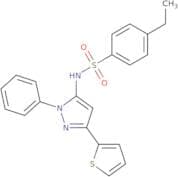
- Benzenesulfonamide, 4-ethyl-N-[1-phenyl-3-(2-thienyl)-1H-pyrazol-5-yl]-
- HSF1 Activator
Sort by
Purity (%)
0
100
|
0
|
50
|
90
|
95
|
100
Found 3 products.
HSF1A
CAS:HSF1A is a cell-permeable activator of HSF1 that protects mammalian cells against stress-induced apoptosis.Formula:C21H19N3O2S2Purity:98.89%Color and Shape:SolidMolecular weight:409.52Ref: TM-T4125
1mg55.00€2mg88.00€5mg139.00€10mg207.00€25mg462.00€50mg677.00€100mg938.00€1mL*10mM (DMSO)130.00€HSF1A
CAS:Heat shock factor 1A (HSF1A) is a transcription factor that binds to regulatory elements in the DNA, and is also involved in the regulation of protein synthesis. HSF1A regulates gene expression during periods of cellular stress such as heat shock or oxidative stress. It is found in both cytosolic and nuclear compartments, and its binding domains are found in both cytosolic and nuclear compartments. HSF1A has a role in the specific treatment of HIV infection at physiological levels. It has been shown to regulate gene expression by binding to response elements on DNA, which is important for regulating the growth of cells. HSF1A can also act as a molecular chaperone, helping other proteins fold correctly.
Formula:C21H19N3O2S2Purity:Min. 95%Molecular weight:409.52 g/mol