CAS 119677-21-3
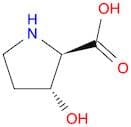
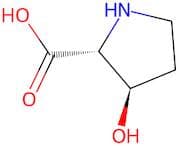
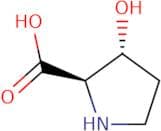
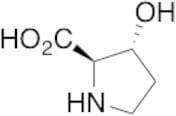
:(3R)-3-hydroxy-D-Proline
Description:
(3R)-3-hydroxy-D-proline is a naturally occurring amino acid derivative characterized by its unique structural features and stereochemistry. It is a modified form of proline, where a hydroxyl group is attached to the third carbon of the proline backbone, specifically at the R configuration. This modification influences its biochemical properties and interactions. The substance is known for its role in various biological processes, including protein synthesis and collagen formation, where it contributes to the stability and structure of proteins. (3R)-3-hydroxy-D-proline is also of interest in medicinal chemistry and pharmaceutical research due to its potential applications in drug development and as a building block for peptide synthesis. Its solubility in water and stability under physiological conditions make it suitable for various biochemical applications. Additionally, the presence of the hydroxyl group enhances its reactivity and ability to form hydrogen bonds, which can influence its behavior in biological systems. Overall, (3R)-3-hydroxy-D-proline is a significant compound in both natural and synthetic chemistry contexts.
Formula:C5H9NO3
Synonyms:- D-Proline, 3-hydroxy-, (3R)-
Sort by
Purity (%)
0
100
|
0
|
50
|
90
|
95
|
100
Found 5 products.
trans-3-Hydroxy-D-proline
CAS:Formula:C5H9NO3Purity:97%Color and Shape:SolidMolecular weight:131.1299(2R,3R)-3-Hydroxypyrrolidine-2-carboxylic acid
CAS:(2R,3R)-3-Hydroxypyrrolidine-2-carboxylic acidPurity:97%Molecular weight:131.13g/moltrans-3-Hydroxy-D-proline
CAS:Trans-3-Hydroxy-D-proline is a natural amino acid that is biosynthesized by plants and microorganisms. It can be synthesized in the laboratory by combining trans-3-hydroxyproline with hydrochloric acid or by reacting the amino acid proline with hydroxyl group. Trans-3-Hydroxy-D-proline can be used as a buffer in biochemical reactions, and it has been shown to have a protective effect on collagen during tissue culture. This compound also has been shown to inhibit the growth of bacteria, such as carbapenem resistant Enterobacteriaceae. The structure of this compound was determined using analytical methods such as NMR spectroscopy, which showed that trans-3-hydroxyproline contains an asymmetric carbon atom. This compound also inhibits echinocandin, a type of antifungal drug that is structurally related to penicillin.Formula:C5H9NO3Purity:Min. 95%Color and Shape:White PowderMolecular weight:131.13 g/mol(3R)-3-Hydroxy-D-proline
CAS:Controlled ProductFormula:C5H9NO3Color and Shape:NeatMolecular weight:131.13