![1,4-Phenanthrenedione,2-[2-(acetyloxy)-1-methylethyl]-4b,5,6,7,8,8a,9,10-octahydro-3,9,10-trihydro…](/_next/image/?url=https%3A%2Fstatic.cymitquimica.com%2Fcas-image%2Fthumb-webp%2F350089-14-phenanthrenedione-2-2-acetyloxy-1-methylethyl-4b-56788a-910-octahydro-3910-trihydroxy-4b-88-trimethyl-9ci.webp&w=3840&q=75)
CAS 120462-45-5
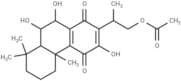
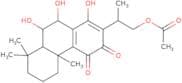
:1,4-Phenanthrenedione,2-[2-(acetyloxy)-1-methylethyl]-4b,5,6,7,8,8a,9,10-octahydro-3,9,10-trihydroxy-4b,8,8-trimethyl-(9CI)
Description:
1,4-Phenanthrenedione, 2-[2-(acetyloxy)-1-methylethyl]-4b,5,6,7,8,8a,9,10-octahydro-3,9,10-trihydroxy-4b,8,8-trimethyl- (CAS 120462-45-5) is a complex organic compound characterized by its polycyclic structure, which includes a phenanthrene backbone. This substance features multiple functional groups, including ketones, hydroxyls, and an acetoxy moiety, contributing to its reactivity and potential biological activity. The presence of hydroxyl groups suggests that it may exhibit hydrogen-bonding capabilities, influencing its solubility and interaction with other molecules. The compound's octahydro configuration indicates a saturated nature, which may affect its stability and reactivity compared to unsaturated analogs. Additionally, the presence of multiple methyl groups can enhance lipophilicity, potentially impacting its pharmacokinetics if considered for medicinal applications. Overall, this compound's unique structural features may confer specific properties that could be of interest in fields such as medicinal chemistry, materials science, or organic synthesis.
Formula:C22H30O7
Synonyms:- LophanthoidinE
Sort by
Purity (%)
0
100
|
0
|
50
|
90
|
95
|
100
Found 5 products.
Lophanthoidin E
CAS:Formula:C22H30O7Purity:95%~99%Color and Shape:Yellow powderMolecular weight:406.475Lophanthoidin E
CAS:Lophanthoidin E is a kind of natural product derived from the herbs of Rabdosia lophanthoides.Formula:C22H30O7Purity:98.00%Color and Shape:SolidMolecular weight:406.47Lophanthoidin E
CAS:Controlled ProductLophanthoidin E is a naturally occurring compound, classified as a type of flavonoid. It is derived from plant sources, notably from species within the genus Lophanthus. The mode of action of Lophanthoidin E involves disrupting microbial cellular processes, including interference with the cell membrane integrity and inhibition of essential enzyme functions vital for microbial survival and replication. This action results in the compound's potential as an antimicrobial agent.Formula:C22H30O7Purity:Min. 95%Molecular weight:406.5 g/mol