CAS 123000-02-2
:(+)-XESTOSPONGIN B
Description:
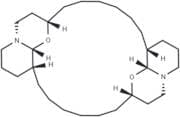
(+)-Xestospongin B is a natural product derived from marine sponges, specifically belonging to the class of compounds known as xestospongins. It is characterized by its complex molecular structure, which includes multiple rings and functional groups that contribute to its biological activity. This compound is primarily recognized for its role as a selective inhibitor of inositol trisphosphate (IP3) receptors, which are crucial in cellular signaling pathways, particularly in calcium release from the endoplasmic reticulum. The inhibition of these receptors can influence various physiological processes, making (+)-xestospongin B a valuable tool in pharmacological research. Additionally, its stereochemistry, indicated by the (+) designation, suggests that it has specific spatial arrangements that can affect its interaction with biological targets. The compound has garnered interest for its potential applications in studying cellular signaling mechanisms and its implications in understanding diseases related to calcium signaling dysregulation. Overall, (+)-xestospongin B represents a significant compound in the field of biochemistry and pharmacology.
Formula:C29H52N2O3
Synonyms:- Araguspongine B
- [1R-(1R*,4Ar*,11S*,12Ar*,13R*,16Ar*,23S*,24Ar*)]-Eicosahydro-5H,17H-1,23:11,13-Diethano-2H,14H-[1,11]Dioxacycloeicosino[2,3-B:12,13-B'] Dipyridine
Sort by
The purity filter is not visible because current products do not have associated purity data for filtering.
Found 1 products.
Araguspongin B
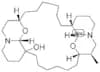
CAS:Xestospongins and araguspongins, marine natural products originally isolated from sponges in the Pacific basin, exhibit vasodilatory effects. Inositol phosphates (IP) serve as crucial signal transduction messengers, activating IP3 receptors to facilitate Ca2+ release from intracellular stores. Araguspongin B specifically hinders the calcium-releasing function of inositol 1,4,5-trisphosphate at the receptor level within cerebral microsomes, demonstrating an inhibition concentration (IC50) of 0.6 µM. This potency places it nearly on par with xestospongin C in obstructing the IP3 receptor's activity.Formula:C28H50N2O2Color and Shape:SolidMolecular weight:446.7