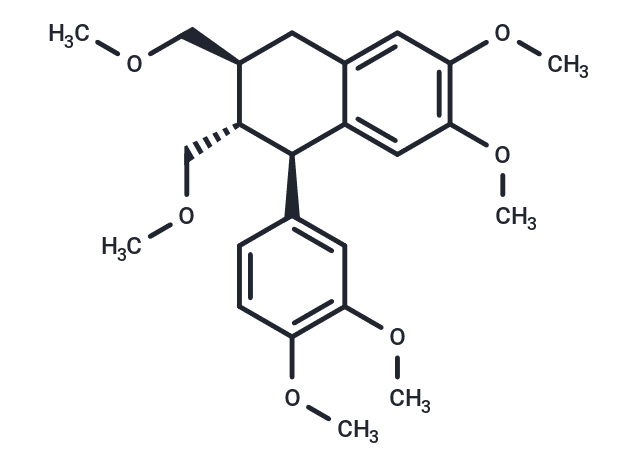
CAS 123048-17-9
:Phyltetralin
Description:
Phyltetralin, identified by its CAS number 123048-17-9, is a chemical compound that belongs to the class of organic compounds known as terpenes. It is characterized by its unique structure, which includes a bicyclic framework. Phyltetralin is typically colorless to pale yellow in appearance and is known for its aromatic properties. This compound is often studied for its potential applications in various fields, including fragrance formulation and as a solvent in chemical reactions. Its molecular structure contributes to its volatility and reactivity, making it an interesting subject for research in organic chemistry. Additionally, phyltetralin may exhibit specific interactions with biological systems, which can be explored for potential therapeutic uses. As with many organic compounds, safety data should be reviewed before handling, as it may pose health risks if inhaled or ingested. Overall, phyltetralin represents a fascinating area of study within the realm of organic chemistry and its applications.
Formula:C24H32O6
InChI:InChI=1S/C24H32O6/c1-25-13-17-9-16-11-22(29-5)23(30-6)12-18(16)24(19(17)14-26-2)15-7-8-20(27-3)21(10-15)28-4/h7-8,10-12,17,19,24H,9,13-14H2,1-6H3/t17-,19-,24-/m1/s1
InChI key:InChIKey=CZZKSEXMNQGXJU-ROMRWMGNSA-N
SMILES:C(OC)[C@H]1[C@@H](C=2C(C[C@@H]1COC)=CC(OC)=C(OC)C2)C3=CC(OC)=C(OC)C=C3
Synonyms:- (1R,2S,3S)-1-(3,4-Dimethoxyphenyl)-1,2,3,4-tetrahydro-6,7-dimethoxy-2,3-bis(methoxymethyl)naphthalene
- Phyltetralin
- Naphthalene, 1-(3,4-dimethoxyphenyl)-1,2,3,4-tetrahydro-6,7-dimethoxy-2,3-bis(methoxymethyl)-, (1R,2S,3S)-
- Naphthalene, 1-(3,4-dimethoxyphenyl)-1,2,3,4-tetrahydro-6,7-dimethoxy-2,3-bis(methoxymethyl)-, [1R-(1α,2β,3α)]-
- (+)-Phyltetralin
Sort by
Purity (%)
0
100
|
0
|
50
|
90
|
95
|
100
Found 2 products.
Phyltetralin
CAS:Phyltetralin has antihyperuricemic activity.Formula:C24H32O6Purity:98%Color and Shape:SolidMolecular weight:416.51Phyltetralin
CAS:Phyltetralin is a phytochemical compound, which is derived from specific plant sources known for their therapeutic properties. This compound acts primarily by interfering with cellular pathways involved in abnormal cell proliferation and apoptosis. Its mode of action is hypothesized to involve modulation of signal transduction pathways that are critical in cancer cell cycle regulation.Formula:C24H32O6Purity:Min. 95%Molecular weight:416.5 g/mol