CAS 1253740-09-8
:6-Acetonyl-N-methyl-dihydrodecarine
Description:
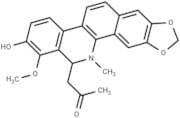
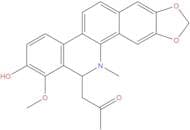
6-Acetonyl-N-methyl-dihydrodecarine is a chemical compound that belongs to the class of organic molecules known as alkaloids. It features a complex structure characterized by a dihydrodecarine backbone, which is a bicyclic system. The presence of the acetonyl group indicates that it has a ketone functional group, contributing to its reactivity and potential applications in organic synthesis. The N-methyl substitution suggests that it may exhibit specific pharmacological properties, as modifications to nitrogen-containing compounds often influence biological activity. While specific physical properties such as melting point, boiling point, and solubility are not universally available, compounds of this nature typically exhibit moderate polarity and may be soluble in organic solvents. The compound's unique structure may also suggest potential uses in medicinal chemistry, particularly in the development of new therapeutic agents. However, detailed studies would be necessary to fully understand its properties, reactivity, and potential applications in various fields, including pharmaceuticals and materials science.
Sort by
Purity (%)
0
100
|
0
|
50
|
90
|
95
|
100
Found 4 products.
2-Propanone, 1-(12,13-dihydro-2-hydroxy-1-methoxy-12-methyl[1,3]benzodioxolo[5,6-c]phenanthridin-13-yl)-
CAS:Formula:C23H21NO5Molecular weight:391.41656-Acetonyl-N-methyl-dihydrodecarine
CAS:6-Acetonyl- N -methyl-dihydrodecarine has mosquito larvicidal activity against the malaria vector Anopheles gambiae.Formula:C23H21NO5Purity:98%Color and Shape:SolidMolecular weight:391.426-Acetonyl-N-methyl-dihydrodecarine
CAS:Formula:C23H21NO5Purity:95%~99%Color and Shape:Yellow powderMolecular weight:391.4236-Acetonyl-N-methyl-dihydrodecarine
CAS:6-Acetonyl-N-methyl-dihydrodecarine is an alkaloid compound, which is derived from natural botanical sources, specifically within certain species of plants known for their rich secondary metabolite content. As an alkaloid, it features a complex nitrogen-containing structure, which contributes to its bioactivity. This compound exhibits its mode of action primarily through interaction with cellular targets associated with signaling pathways, potentially affecting cell proliferation and apoptosis. Due to its unique molecular interactions, 6-Acetonyl-N-methyl-dihydrodecarine is under investigation for its anticancer properties, particularly in preclinical studies focused on understanding its role in tumor inhibition and modulation of chemotherapeutic efficacy. Its applications extend to the broader field of pharmacognosy and natural product chemistry, where it serves as a lead compound or a pharmacophore model in the synthesis of novel therapeutic agents. Researchers continue to explore its pharmacodynamics and pharmacokinetics to fully elucidate its potential in clinical contexts.Formula:C23H21NO5Purity:Min. 95%Molecular weight:391.4 g/mol
![2-Propanone, 1-(12,13-dihydro-2-hydroxy-1-methoxy-12-methyl[1,3]benzodioxolo[5,6-c]phenanthridin-1…](/_next/image/?url=https%3A%2Fstatic.cymitquimica.com%2Fproducts%2FIN%2Fthumb%2FDA000NK1.jpg&w=3840&q=75)