CAS 125455-61-0
:gly-arg P-nitroanilide dihydrochloride
Description:
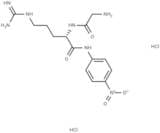
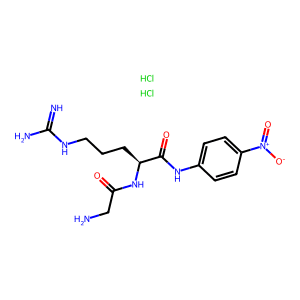
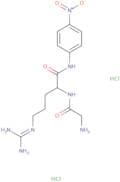
Gly-Arg P-nitroanilide dihydrochloride is a synthetic peptide substrate commonly used in biochemical research, particularly in studies involving proteases and peptidases. This compound consists of a glycine-arginine dipeptide linked to a p-nitroanilide moiety, which serves as a chromogenic indicator. Upon enzymatic cleavage by specific proteases, the release of the p-nitroaniline product can be monitored spectrophotometrically, allowing for the quantification of enzyme activity. The dihydrochloride form indicates that the compound is stabilized by the presence of two hydrochloride ions, enhancing its solubility in aqueous solutions. Gly-Arg P-nitroanilide dihydrochloride is characterized by its relatively low molecular weight and specific functional groups that contribute to its reactivity and interaction with enzymes. It is essential to handle this compound with care, as it may pose health risks if ingested or inhaled, and proper laboratory safety protocols should be followed during its use.
Formula:C14H21N7O4·2HCl
Sort by
Purity (%)
0
100
|
0
|
50
|
90
|
95
|
100
Found 3 products.
H-Gly-Arg-pNA dihydrochloride
CAS:H-Gly-Arg-pNA 2HCl, a peptide, binds 1,2 thrombin; colorimetric quantification at 405 nm indicates thrombin activity.Formula:C14H23Cl2N7O4Purity:99.14%Color and Shape:SolidMolecular weight:424.28H-Gly-Arg-pNA dihydrochloride
CAS:H-Gly-Arg-pNA dihydrochloridePurity:≥98%Molecular weight:424.28g/molH-Gly-Arg-pna dihydrochloride
CAS:H-Gly-Arg-pna is a synthetic substrate for carboxypeptidase activity. It has been used as a test compound to study the effect on the cytosolic enzyme in human lymphocytes. H-Gly-Arg-pna has been shown to inhibit carboxypeptidase activity and increase the concentration of substrates in the cytosol. This activity may be due to its hydroxyl group, which binds to the active site of carboxypeptidases. The optimum pH for this reaction is 5.5.
Formula:C14H23Cl2N7O4Purity:Min. 95%Color and Shape:PowderMolecular weight:424.3 g/molRef: 3D-AFA45561
Discontinued product