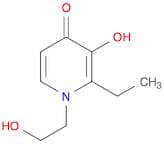
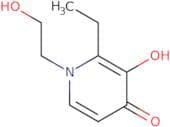
CAS 126055-13-8
:CP 102
Description:
CP 102, with the CAS number 126055-13-8, is a chemical compound that belongs to a class of substances known for their potential applications in various fields, including pharmaceuticals and materials science. While specific details about its characteristics may vary, compounds like CP 102 typically exhibit properties such as a defined molecular structure, specific solubility in various solvents, and distinct reactivity profiles. These characteristics can influence its behavior in chemical reactions, stability under different conditions, and interactions with biological systems. Additionally, CP 102 may possess unique functional groups that contribute to its chemical reactivity and potential applications. Safety data sheets and scientific literature provide essential information regarding its toxicity, handling precautions, and environmental impact, which are crucial for researchers and industries working with this compound. For precise applications and characteristics, consulting specialized databases or peer-reviewed articles is recommended, as they provide detailed insights into the compound's behavior and uses in various contexts.
Formula:C9H13NO3
InChI:InChI=1/C9H13NO3/c1-2-7-9(13)8(12)3-4-10(7)5-6-11/h3-4,11,13H,2,5-6H2,1H3
Synonyms:- CP-102
- 4(1H)-Pyridinone, 2-ethyl-3-hydroxy-1-(2-hydroxyethyl)-
- 2-ethyl-3-hydroxy-1-(2-hydroxyethyl)pyridin-4(1H)-one
- 2-Ethyl-3-hydroxy-1-(2-hydroxyethyl)-4(1H)-pyridinone
Sort by
Purity (%)
0
100
|
0
|
50
|
90
|
95
|
100
Found 5 products.
2-Ethyl-3-hydroxy-1-(2-hydroxyethyl)-1,4-dihydropyridin-4-one
CAS:2-Ethyl-3-hydroxy-1-(2-hydroxyethyl)-1,4-dihydropyridin-4-one (MAH) is a monoclonal antibody that is used to detect IgG and IgA in human serum. MAH binds to the Fc region of human immunoglobulin G (IgG) antibodies, which are found in the blood of humans and other mammals. The Fc region is an important part of the antibody molecule because it contains an antigen binding site that recognizes specific antigens. MAH has been shown to bind to a variety of animal tissues, including liver, kidney, spleen, brain, heart, muscle, and bone marrow cells. MAH also binds to crystalline cellulose and Pichia pastoris cells. This compound has minimal toxicity when administered orally and was shown to be effective against Coccidioides glabrata in mice. The structure of this compoundFormula:C9H13NO3Purity:Min. 95%Molecular weight:183.2 g/molCP102
CAS:CP102, an iron chelator, effectively reduces total non-heme and ferritin-stored iron levels in the livers of mice when provided through drinking water at a concentration of 2 mg/ml.Formula:C9H13NO3Color and Shape:SolidMolecular weight:183.2044