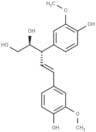
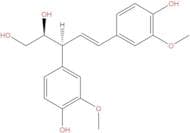
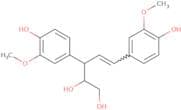
CAS 1264694-96-3
:Metasequirin D
Description:
Metasequirin D, identified by its CAS number 1264694-96-3, is a chemical compound that belongs to a class of natural products known for their diverse biological activities. While specific characteristics such as molecular formula, structure, and physical properties may vary, compounds in this category often exhibit unique structural features that contribute to their reactivity and interaction with biological systems. Metasequirin D is typically derived from natural sources, and its potential applications may include roles in medicinal chemistry, particularly in the development of pharmaceuticals or as bioactive agents. The compound may also possess specific functional groups that influence its solubility, stability, and interaction with other molecules. As with many natural products, the study of Metasequirin D may involve exploring its synthesis, mechanisms of action, and potential therapeutic benefits, making it a subject of interest in both organic chemistry and pharmacology. Further research is essential to fully elucidate its properties and applications.
Formula:C19H22O6
Synonyms:- (2S,3S,4E)-3,5-Bis(4-hydroxy-3-methoxyphenyl)-4-pentene-1,2-diol
- 4-Pentene-1,2-diol, 3,5-bis(4-hydroxy-3-methoxyphenyl)-, (2S,3S,4E)-
- Metasequirin D
Sort by
Purity (%)
0
100
|
0
|
50
|
90
|
95
|
100
Found 3 products.
Metasequirin D
CAS:Metasequirin D is a natural product for research related to life sciences. The catalog number is TN4520 and the CAS number is 1264694-96-3.Formula:C19H22O6Purity:98%Color and Shape:SolidMolecular weight:346.37Metasequirin D
CAS:Metasequirin D is a bioactive compound, which is a member of the diterpenoid family. It is derived from the natural source Metasequoia glyptostroboides, a deciduous conifer known for its unique chemical constituents. This compound exhibits its mode of action by modulating specific metabolic pathways, potentially altering cellular processes related to growth and stress responses.Formula:C19H22O6Purity:Min. 95%Molecular weight:346.4 g/mol