CAS 128420-71-3
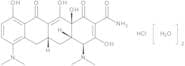
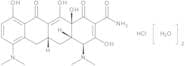
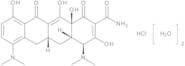
:Minocycline hydrochloride dihydrate
Description:
Minocycline hydrochloride dihydrate is a semi-synthetic tetracycline antibiotic, primarily used to treat a variety of bacterial infections, including acne and respiratory tract infections. It is characterized by its broad-spectrum activity against both Gram-positive and Gram-negative bacteria, as well as certain protozoa. The compound is a hydrochloride salt, which enhances its solubility in water, facilitating its absorption in the body. Minocycline has a unique structure that includes a naphthacene ring system, contributing to its antibacterial properties by inhibiting protein synthesis in bacteria. The dihydrate form indicates that the compound contains two molecules of water, which can influence its stability and solubility. Common side effects may include dizziness, gastrointestinal disturbances, and photosensitivity. Minocycline is also noted for its anti-inflammatory properties, making it useful in treating conditions like rosacea. As with other tetracyclines, it is contraindicated in pregnant women and children due to potential effects on bone and teeth development. Proper storage and handling are essential to maintain its efficacy and safety.
Formula:C23H30ClN3O8
Synonyms:- Tigecycline Impurity C as Hydrochloride Dihydrate
- Minocycline hydrochloride dihydrate
Sort by
Purity (%)
0
100
|
0
|
50
|
90
|
95
|
100
Found 4 products.
Minocycline hydrochloride dihydrate
CAS:Controlled ProductFormula:C23H27N3O7·ClHH2OColor and Shape:NeatMolecular weight:529.97Minocycline Hydrochloride Dihydrate
CAS:Controlled ProductFormula:C23H27N3O7·ClHH2OColor and Shape:NeatMolecular weight:529.97Minocycline hydrochloride dihydrate
CAS:Minocycline hydrochloride dihydrate is a broad-spectrum antibiotic, which is a synthetic derivative of tetracycline. It is sourced from chemical synthesis processes and possesses potent antimicrobial properties. The mode of action involves inhibiting bacterial protein synthesis by binding to the 30S ribosomal subunit, thereby preventing the addition of amino acids to the growing peptide chain. This mechanism effectively disrupts bacterial growth and replication.
Formula:C23H32ClN3O9Purity:Min. 95%Molecular weight:530 g/molRef: 3D-DFA42071
Discontinued product