CAS 13074-08-3
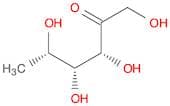
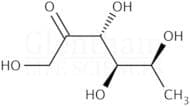
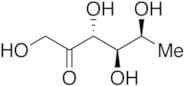
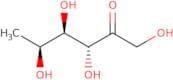
:L-Fuculose
- L-Fuculose
- 6-Deoxy-L-lyxo-2-hexulose
- 6-Deoxy-L-tagatose
- L-lyxo-Hexulose, 6-deoxy-
- L-Tagatose, 6-deoxy-
L-Fuculose
CAS:Formula:C6H12O5Purity:≥ 98.0%Color and Shape:Clear, colourless liquidMolecular weight:164.16L-Fuculose (1M in Water)
CAS:Controlled ProductApplications L-Fuculose is the 6-Deoxy analog of Tagatose (T004850), a functional sweetener,
References Menavuvu, B.T., et al.: J. Biosci. Bioeng., 102, 436 (2006); Wong, C.H., et al.: J, Org. Chem., 60, 7360 (1995);Formula:C6H12O5Color and Shape:Single SolutionMolecular weight:164.16L-Fuculose - aqueous solution
CAS:Fuculose is a monosaccharide that is a constituent of fucose-containing glycoproteins. It is found in the blood and urine, as well as in various tissues, such as liver, lung, kidney, and spleen. The biological properties of L-fuculose are related to its ability to form hydrogen bonds with other molecules. Fuculose has been shown to be an effective activator for cutaneous lesions in mice models. The structural analysis of L-fuculose has revealed that it contains a reactive site for the synthesis of glycosaminoglycans and polysaccharides. Fuculose has also been shown to increase the proliferation of some cells, including corynebacterium glutamicum and human umbilical vein endothelial cells (HUVECs). This property may be due to its ability to activate growth factors or interfere with cell signaling pathways.
Formula:C6H12O5Purity:Min. 95%Color and Shape:Clear LiquidMolecular weight:164.16 g/mol