CAS 1314118-94-9
:MK2-IN-1 (hydrochloride)
Description:
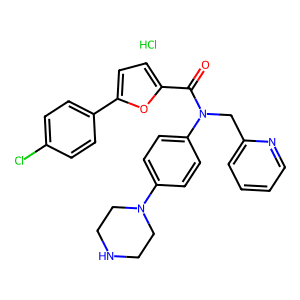
MK2-IN-1 (hydrochloride) is a small molecule inhibitor primarily designed to target the MK2 (MAPK-activated protein kinase 2) enzyme, which plays a significant role in various cellular processes, including inflammation and stress response. This compound is characterized by its ability to modulate signaling pathways associated with the mitogen-activated protein kinase (MAPK) cascade, making it a potential therapeutic agent in conditions such as cancer and inflammatory diseases. As a hydrochloride salt, MK2-IN-1 exhibits improved solubility and stability in aqueous solutions, which is advantageous for pharmacological applications. The compound's structure typically includes functional groups that facilitate its interaction with the MK2 enzyme, enhancing its inhibitory potency. In preclinical studies, MK2-IN-1 has shown promise in reducing tumor growth and modulating immune responses, although further research is necessary to fully elucidate its efficacy and safety profile in clinical settings. Overall, MK2-IN-1 (hydrochloride) represents a valuable tool in the exploration of targeted therapies for diseases linked to aberrant MK2 activity.
Formula:C27H25ClN4O2HCl
Synonyms:- MK2 inhibitor 1 hydrochloride
- MK 25 (hydrochloride)
- MK2-IN-1 (hydrochloride)
- MK 25
- MK2 Inhibitor IV
Sort by
Purity (%)
0
100
|
0
|
50
|
90
|
95
|
100
Found 3 products.
MK2-IN-1 hydrochloride
CAS:MK2-IN-1 hydrochloride (MK 25) selectively inhibits MK2 with IC50 of 0.11 μM, non-ATP competitive.Formula:C27H26Cl2N4O2Purity:97.32%Color and Shape:SolidMolecular weight:509.43MK2-IN-1 hydrochloride
CAS:MK2-IN-1 hydrochloride is a bacterial strain that has been found to produce fatty acids and carbonyl groups as byproducts. MK2-IN-1 hydrochloride was first discovered in a thermal expansion study of virus particles. MK2-IN-1 hydrochloride is also known to inhibit the growth of colonic adenocarcinoma cells and is thought to inhibit viral replication. MK2-IN-1 hydrochloride has an inhibitory effect on the growth of bacteria, and it does this by increasing the production of prostaglandins that are naturally produced by the body. This drug also inhibits the oxidative activity of macrophages, which could lead to an antioxidative effect in humans.
Formula:C27H26Cl2N4O2Purity:Min. 95%Molecular weight:509.43 g/mol