CAS 13206-46-7
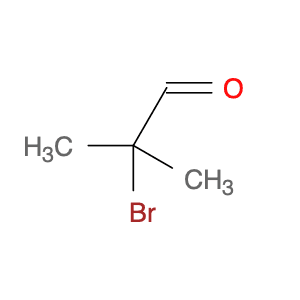
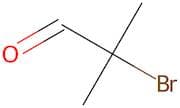
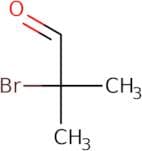
:2-BROMO-2-METHYL-PROPIONALDEHYDE
Description:
2-Bromo-2-methylpropionaldehyde, with the CAS number 13206-46-7, is an organic compound characterized by its aldehyde functional group and the presence of a bromine atom. It is a colorless to pale yellow liquid with a distinctive odor. This compound is known for its reactivity, particularly in nucleophilic addition reactions due to the electrophilic nature of the carbonyl group. The presence of the bromine atom enhances its reactivity, making it useful in various synthetic applications, including the preparation of other organic compounds. It is soluble in organic solvents and has limited solubility in water. Safety considerations are important when handling this compound, as it may pose health risks if inhaled or ingested, and appropriate protective measures should be taken. Additionally, it is important to store it in a cool, dry place away from incompatible substances. Overall, 2-bromo-2-methylpropionaldehyde is a valuable intermediate in organic synthesis, particularly in the pharmaceutical and agrochemical industries.
Formula:C4H7BrO
Synonyms:- 2-Bromo-2-methylpropanal
Sort by
Purity (%)
0
100
|
0
|
50
|
90
|
95
|
100
Found 3 products.
PROPANAL, 2-BROMO-2-METHYL-
CAS:Formula:C4H7BrOPurity:95%Color and Shape:LiquidMolecular weight:151.00182-Bromo-2-methylpropanal
CAS:2-Bromo-2-methylpropanalFormula:C4H7BrOPurity:≥95%Color and Shape: clear liquidMolecular weight:151.00g/mol2-Bromo-2-methylpropanal
CAS:2-Bromo-2-methylpropionaldehyde is an organic compound that belongs to the class of propionates. It is a primary amine that can be synthesized from acetone and chloroform. 2-Bromo-2-methylpropionaldehyde has been used as a disinfectant for skin and mucous membranes. It also lowers blood pressure by dilating the veins, which can help to prevent strokes and heart attacks. 2-Bromo-2-methylpropionaldehyde is more labile than its parent compound, propionic acid, because it lacks the hydrogens on the methyl group. It is susceptible to oxidation by hypobromous acid or chloride ions, which can lead to the formation of phenacyl bromide. Phenacyl bromide has been shown to have antiseptic properties and can be used as an intermediate in organic synthesis. END>>Formula:C4H7OBrPurity:Min. 95%Molecular weight:151 g/mol