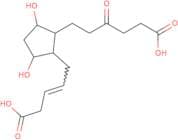
CAS 133161-96-3
:PGD-M
Description:
PGD-M, also known as 2-Pyrrolidinone, 1-(4-methylphenyl)-, is a chemical compound characterized by its unique molecular structure and properties. It is a member of the pyrrolidinone family, which are five-membered lactams. This substance typically appears as a colorless to pale yellow liquid and is known for its solubility in water and various organic solvents. PGD-M is often utilized in the synthesis of pharmaceuticals and agrochemicals due to its ability to act as a solvent and a reagent in chemical reactions. Its molecular structure contributes to its relatively low volatility and moderate boiling point, making it suitable for various industrial applications. Additionally, PGD-M may exhibit specific biological activities, which can be of interest in medicinal chemistry. However, as with any chemical, safety precautions should be observed when handling PGD-M, as it may pose health risks if not managed properly. Always refer to safety data sheets and regulatory guidelines for detailed information on handling and usage.
Formula:C16H24O7
Synonyms:- (Z)-9α-11β-dihydroxy-15-oxo-2,3,18.19-tetranorprost-5-ene-1,20-dioic acid
- TETRANOR-PROSTAGLANDIN D METABOLITE
- PGDM
- TETRANOR-PGDM
- Cyclopentanehexanoic acid, 2-[(2Z)-4-carboxy-2-buten-1-yl]-3,5-dihydroxy-γ-oxo-, (1R,2R,3S,5S)-
Sort by
Purity (%)
0
100
|
0
|
50
|
90
|
95
|
100
Found 3 products.
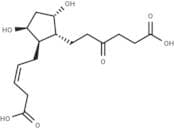
Cyclopentanehexanoic acid, 2-[(2Z)-4-carboxy-2-buten-1-yl]-3,5-dihydroxy-γ-oxo-, (1R,2R,3S,5S)-
CAS:Formula:C16H24O7Molecular weight:328.3576PGD-M
CAS:PGD-M is an analog of menthol that acts as a potent inhibitor of kinases. It has been shown to be effective in inhibiting the growth and proliferation of tumor cells, including those derived from Chinese hamster ovary cells. PGD-M targets specific kinases involved in cancer cell survival and apoptosis, making it a promising candidate for anticancer therapy. In addition, PGD-M has been shown to have a synergistic effect when combined with other kinase inhibitors such as tyrosine kinase inhibitors or tylosin. This compound has demonstrated significant anti-tumor activity in preclinical studies, making it a potential candidate for future cancer therapies.Formula:C16H24O7Purity:Min. 95%Molecular weight:328.36 g/molPGDM
CAS:PGD2 is involved in allergy, asthma, sleep, temperature regulation, inhibits clotting, and relaxes blood vessels; PGDM, its metabolite, is a biomarker.Formula:C16H24O7Color and Shape:SolidMolecular weight:328.36
![Cyclopentanehexanoic acid, 2-[(2Z)-4-carboxy-2-buten-1-yl]-3,5-dihydroxy-γ-oxo-, (1R,2R,3S,5S)-](/_next/image/?url=https%3A%2Fstatic.cymitquimica.com%2Fproducts%2FIN%2Fthumb%2FDA0014CM.jpg&w=3840&q=75)