CAS 133448-20-1
:brain natriuretic peptide-32 rat
Description:
Brain natriuretic peptide-32 (BNP-32) in rats is a peptide hormone primarily produced in the heart's ventricles in response to increased cardiac pressure and volume overload. It plays a crucial role in cardiovascular homeostasis by promoting natriuresis, diuresis, and vasodilation, which help to reduce blood pressure and fluid overload. The peptide is composed of 32 amino acids and is part of the natriuretic peptide family, which includes atrial natriuretic peptide (ANP) and C-type natriuretic peptide (CNP). BNP-32 is involved in various physiological processes, including the regulation of electrolyte balance and the inhibition of the renin-angiotensin-aldosterone system. Its levels can serve as a biomarker for heart failure and other cardiovascular conditions. The CAS number 133448-20-1 specifically identifies this peptide, facilitating its recognition in scientific literature and databases. Overall, BNP-32 is significant in both physiological regulation and clinical diagnostics related to heart health.
Formula:C146H239N47O44S3
Synonyms:- Bnp-32 (Rat)
Sort by
Purity (%)
0
100
|
0
|
50
|
90
|
95
|
100
Found 4 products.
BNP-32 (rat)
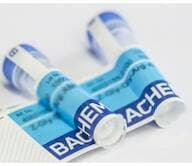
CAS:Bachem ID: 4043015.
Formula:C146H239N47O44S3Purity:98.1%Color and Shape:White PowderMolecular weight:3452.99Natriuretic factor-45 (rat brain),1-de-L-serine-2-de-L-glutamine-3-de-L-asparticacid-4-de-L-serine-5-de-L-alanine-6-de-L-phenylalanine-7-de-L-arginine-8-de-L-isoleucine-9-de-L-glutamine-10-de-L-glutamicacid-11-de-L-arginine-12-de-L-leucine-13-de-L-arginine-
CAS:Formula:C146H239N47O44S3Purity:97%Color and Shape:SolidMolecular weight:3452.9434Brain Natriuretic Peptide (1-32), rat
CAS:Rat Brain Natriuretic Peptide (1-32) is a 32-amino-acid peptide from heart, released when ventricles stretch excessively.Formula:C146H239N47O44S3Purity:98%Color and Shape:SolidMolecular weight:3452.94BNP-32 (rat) trifluoroacetate
CAS:Trifluoroacetate saltFormula:C146H239N47O44S3Purity:Min. 95%Molecular weight:3,452.95 g/mol