CAS 134-25-8
:2,4-Dichloro-1-(dichloromethyl)benzene
Description:
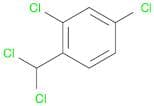
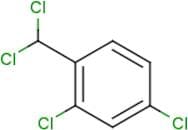
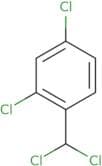
2,4-Dichloro-1-(dichloromethyl)benzene, also known as benzene, 2,4-dichloro-1-(dichloromethyl)-, is an organic compound characterized by its aromatic structure, which includes a benzene ring substituted with two chlorine atoms at the 2 and 4 positions, and a dichloromethyl group at the 1 position. This compound is typically a colorless to pale yellow liquid with a distinct odor. It is relatively insoluble in water but soluble in organic solvents, reflecting its hydrophobic nature. The presence of multiple chlorine atoms contributes to its chemical stability and potential for bioaccumulation in the environment. 2,4-Dichloro-1-(dichloromethyl)benzene is primarily used in industrial applications, including as an intermediate in the synthesis of various chemicals and pesticides. However, due to its chlorinated structure, it may pose environmental and health risks, necessitating careful handling and regulation. Its chemical properties include a relatively high boiling point and density compared to non-chlorinated hydrocarbons, which influences its behavior in chemical reactions and environmental interactions.
Formula:C7H4Cl4
InChI:InChI=1S/C7H4Cl4/c8-4-1-2-5(7(10)11)6(9)3-4/h1-3,7H
InChI key:InChIKey=AQVKVGOTPBBVMS-UHFFFAOYSA-N
SMILES:C(Cl)(Cl)C1=C(Cl)C=C(Cl)C=C1
Synonyms:- 2,4-Dichlorobenzal chloride
- Benzene, 2,4-dichloro-1-(dichloromethyl)-
- Toluene, α,α,2,4-tetrachloro-
- α,α,2,4-Tetrachlorotoluene
- 2,4-Dichloro-1-(dichloromethyl)benzene
- 2,4-Dichloro-1-(dichloromethyl)benzene
Sort by
Purity (%)
0
100
|
0
|
50
|
90
|
95
|
100
Found 4 products.
α,α,2,4-tetrachlorotoluene
CAS:α,α,2,4-tetrachlorotolueneFormula:C7H4Cl4Purity:98%Color and Shape: light yellow liquidMolecular weight:229.92g/mol2,4-DICHLOROBENZYL DICHLORIDE
CAS:Formula:C7H4Cl4Purity:97%Color and Shape:LiquidMolecular weight:229.91alpha,alpha,2,4-Tetrachlorotoluene
CAS:Alpha, alpha, 2, 4-Tetrachlorotoluene is a chemical that is used in the production of dyestuffs and alkali metal. It can be prepared by chlorination of triphenylmethane or by the oxidation of chloride with an alkaline solution. The reaction time for this process can be determined by using a kinetic model to determine the rate at which different concentrations of chloride are consumed. This chemical has been shown to react with acid salts such as nitrates and phosphates to form chlorinated hydrocarbons. The temperature required for this reaction is dependent on the concentration of acid salts.Formula:C7H4Cl4Purity:Min. 95%Molecular weight:229.92 g/mol