CAS 135541-40-1
:Cudraxanthone L
Description:
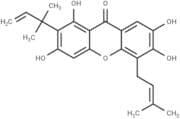
Cudraxanthone L is a naturally occurring xanthone compound, primarily isolated from the plant species *Cudrania tricuspidata*, which is known for its medicinal properties. This compound exhibits a range of biological activities, including antioxidant, anti-inflammatory, and potential anticancer effects, making it of interest in pharmacological research. Structurally, Cudraxanthone L features a polycyclic aromatic system characteristic of xanthones, which contributes to its reactivity and interaction with biological molecules. Its solubility properties may vary, influencing its bioavailability and efficacy in therapeutic applications. Additionally, studies have indicated that Cudraxanthone L may interact with various cellular pathways, suggesting potential roles in modulating metabolic processes. As research continues, the full spectrum of its pharmacological effects and mechanisms of action is being explored, highlighting its potential as a lead compound in drug development. However, further studies are necessary to fully understand its safety profile and therapeutic potential.
Sort by
Purity (%)
0
100
|
0
|
50
|
90
|
95
|
100
Found 4 products.
Cudraxanthone L
CAS:Cudraxanthone L is a flavone discovered in Cudrania tricuspidata exhibiting cytotoxicity against A549 and SKOV3 cells.Formula:C23H24O6Purity:98%Color and Shape:SolidMolecular weight:396.43Cudraxanthone L
CAS:Formula:C23H24O6Purity:95%~99%Color and Shape:Yellow powderMolecular weight:396.439Cudraxanthone L
CAS:Cudraxanthone L is a xanthone compound, which is a naturally occurring polyphenolic substance. This compound is isolated from the roots of Cudrania tricuspidata, a plant known for its medicinal properties primarily found in East Asia. Cudraxanthone L exhibits its mode of action through various biological activities, including significant antioxidant effects. It acts by neutralizing free radicals, thus protecting cellular components from oxidative damage. Additionally, this compound has shown potential in modulating enzymatic activity and signaling pathways involved in inflammation and cancer.Formula:C23H24O6Purity:Min. 95%Molecular weight:396.4 g/mol