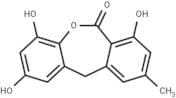
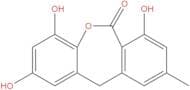
CAS 1360606-85-4
:9-Dehydroxyeurotinone
Description:
9-Dehydroxyeurotinone is a chemical compound that belongs to the class of organic molecules known as terpenoids, which are characterized by their diverse structures and biological activities. This substance is notable for its unique molecular framework, which includes a specific arrangement of carbon, hydrogen, and oxygen atoms. It is often studied for its potential pharmacological properties, including antimicrobial and anti-inflammatory effects. The compound's structure may influence its solubility, stability, and reactivity, making it of interest in both synthetic and natural product chemistry. Additionally, 9-Dehydroxyeurotinone may be involved in various biochemical pathways, contributing to its potential applications in medicinal chemistry. As with many organic compounds, its behavior in biological systems can be influenced by factors such as pH, temperature, and the presence of other substances. Further research is necessary to fully elucidate its mechanisms of action and potential therapeutic uses.
Formula:C15H12O5
Synonyms:- Dibenz[b,e]oxepin-6(11H)-one, 2,4,7-trihydroxy-9-methyl-
- 9-Dehydroxyeurotinone
Sort by
Purity (%)
0
100
|
0
|
50
|
90
|
95
|
100
Found 4 products.
9-Dehydroxyeurotinone
CAS:9-Dehydroxyeurotinone is a natural product for research related to life sciences. The catalog number is TN3316 and the CAS number is 1360606-85-4.Formula:C15H12O5Purity:98%Color and Shape:SolidMolecular weight:272.259-Dehydroxyeurotinone
CAS:9-Dehydroxyeurotinone is a secondary metabolite, which is derived from fungal sources, specifically from the Eurotium genus of fungi. This compound belongs to a class of organic molecules known for their diverse biological activities. The biosynthesis of 9-Dehydroxyeurotinone involves enzymatic processes within the fungi, where it plays a role in the organism's survival and ecological interactions.Formula:C15H12O5Purity:Min. 95%Molecular weight:272.25 g/mol