CAS 13865-20-8
:Propanoic acid, 2,2-dimethyl-3-oxo-, methyl ester
Description:
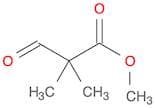
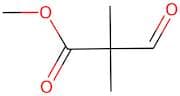
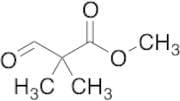
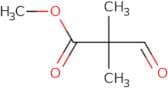
Propanoic acid, 2,2-dimethyl-3-oxo-, methyl ester, also known by its CAS number 13865-20-8, is an organic compound characterized by its ester functional group. It features a propanoic acid backbone with a ketone and additional methyl groups, contributing to its unique structure and properties. This compound is typically a colorless to pale yellow liquid with a fruity odor, indicative of its ester nature. It is soluble in organic solvents and exhibits moderate solubility in water due to the presence of both hydrophobic and hydrophilic regions in its molecular structure. The compound is often used in organic synthesis and may serve as an intermediate in the production of various pharmaceuticals and agrochemicals. Its reactivity is influenced by the presence of the carbonyl group, making it susceptible to nucleophilic attacks. Safety data indicates that, like many organic compounds, it should be handled with care, as it may cause irritation upon contact with skin or eyes. Proper storage and handling protocols are essential to ensure safety in laboratory and industrial settings.
Formula:C6H10O3
Sort by
Purity (%)
0
100
|
0
|
50
|
90
|
95
|
100
Found 5 products.
Methyl 2,2-dimethyl-3-oxopropanoate
CAS:Formula:C6H10O3Purity:95%Color and Shape:LiquidMolecular weight:130.1418Ref: IN-DA007LPI
1g81.00€5g191.00€10g344.00€25gTo inquire50gTo inquire100gTo inquire100mg31.00€250mg43.00€Methyl 2,2-dimethyl-3-oxopropanoate
CAS:Methyl 2,2-dimethyl-3-oxopropanoatePurity:95%Molecular weight:130.143g/molMethyl 2,2-dimethyl-3-oxopropanoate
CAS:Formula:C6H10O3Purity:95%Color and Shape:LiquidMolecular weight:130.143Methyl 2,2-dimethyl-3-oxopropanoate
CAS:Controlled ProductFormula:C6H10O3Color and Shape:NeatMolecular weight:130.14methyl 2,2-dimethyl-3-oxopropanoate
CAS:Methyl 2,2-dimethyl-3-oxopropanoate is an enantioselective propionate with an asymmetric synthesis. The enantiomers of methyl 2,2-dimethyl-3-oxopropanoate are separated by the use of a chiral auxiliary. The enantioselective synthesis of propionates is achieved by crotylboration, a reaction that uses boron and crotyl alcohol as substrates. Methyl 2,2-dimethyl-3-oxopropanoate is an example of a polyketide synthesized via the polyketide pathway. This compound is used in the synthesis of halipeptin, which is an antibiotic that inhibits bacterial growth by inhibiting protein synthesis and cell division.
Formula:C6H10O3Purity:Min. 95%Molecular weight:130.1 g/mol