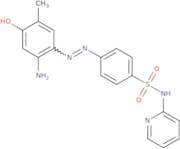
CAS 1395084-25-9
:MS-436
- Ms436
- (E)-4-[2-(2-Amino-4-hydroxy-5-methylphenyl)diazenyl]-N-2-pyridinylbenzenesulfonamide
- MS 436
MS436
CAS:MS436 is a selective, small-molecule inhibitor for the BRD4 bromodomains.Formula:C18H17N5O3SPurity:97.95% - 98.92%Color and Shape:SolidMolecular weight:383.42Ref: TM-T1854
2mg42.00€5mg62.00€10mg95.00€25mg172.00€50mg268.00€100mg429.00€200mg615.00€1mL*10mM (DMSO)69.00€4-[(1E)-2-(2-Amino-4-hydroxy-5-methylphenyl)diazenyl]-N-2-pyridinylbenzenesulfonamide
CAS:Controlled ProductFormula:C18H17N5O3SColor and Shape:NeatMolecular weight:829.513MS436
CAS:MS436 is a synthetic small molecule inhibitor, which is designed through rational drug design and chemical synthesis. It functions by specifically inhibiting bromodomain-containing proteins, particularly targeting the BET (bromodomain and extra-terminal) family proteins. The mode of action involves binding to the acetyl-lysine recognition domains, thereby preventing the interaction of these proteins with acetylated histones, which disrupts transcriptional regulation.
MS436 is primarily used in biomedical research to study epigenetic regulation and its effects on gene expression. Its applications are pivotal in exploring the mechanisms underlying various diseases, including cancers, where dysregulation of BET proteins is often implicated. Researchers utilize MS436 to elucidate pathways involved in cell cycle regulation, apoptosis, and differentiation. By modulating these pathways, MS436 aids in advancing our understanding of disease pathogenesis, facilitating the development of therapeutic strategies. As such, its use is crucial in preclinical studies that aim to validate the potential therapeutic targets within the epigenetic landscape.Formula:C18H17N5O3SPurity:Min. 95%Molecular weight:383.42 g/mol
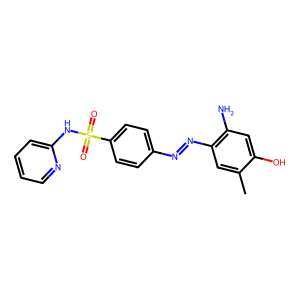


![4-[(1E)-2-(2-Amino-4-hydroxy-5-methylphenyl)diazenyl]-N-2-pyridinylbenzenesulfonamide](/_next/image/?url=https%3A%2Fstatic.cymitquimica.com%2Fproducts%2FTR%2Fthumb%2FA612095.jpg&w=3840&q=75)