CAS 140-11-4
:Benzyl acetate
Description:
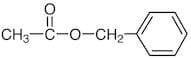
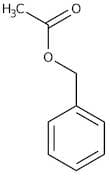
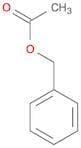
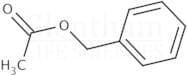
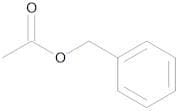
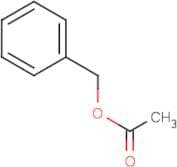
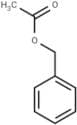
Benzyl acetate is an organic compound with the molecular formula C9H10O2, characterized by its pleasant, fruity aroma reminiscent of jasmine or pear. It is an ester formed from the reaction of benzyl alcohol and acetic acid. This colorless to pale yellow liquid is commonly used in the fragrance and flavoring industries due to its appealing scent. Benzyl acetate has a relatively low boiling point and is soluble in organic solvents such as ethanol and ether, but has limited solubility in water. It is also known for its use as a solvent in various applications, including coatings and adhesives. In terms of safety, benzyl acetate is generally regarded as safe in low concentrations, but it can cause skin irritation or allergic reactions in some individuals. Additionally, it is important to handle it with care, as it may pose health risks if inhaled or ingested in significant amounts. Overall, benzyl acetate is a versatile compound with valuable applications in both industrial and consumer products.
Formula:C9H10O2
InChI:InChI=1S/C9H10O2/c1-8(10)11-7-9-5-3-2-4-6-9/h2-6H,7H2,1H3
InChI key:InChIKey=QUKGYYKBILRGFE-UHFFFAOYSA-N
SMILES:C(OC(C)=O)C1=CC=CC=C1
Synonyms:- (Acetoxymethyl)benzene
- 3-Phenylpropanoate
- Acetate de benzyle
- Acetate, Benzyl
- Acetato De Bencilo
- Acetic acid benzyl ester
- Acetic acid, phenylmethyl ester
- Benzyl alcohol, acetate
- Benzyl ethanoate
- Benzylacetat
- Essigsaeure-Benzylester
- Jeffsol AG 1705
- Nsc 4550
- Phenylmethyl acetate
- α-Acetoxytoluene
- See more synonyms
Sort by
Purity (%)
0
100
|
0
|
50
|
90
|
95
|
100
Found 12 products.
Benzyl Acetate
CAS:Formula:C9H10O2Purity:>99.0%(GC)Color and Shape:Colorless to Light yellow clear liquidMolecular weight:150.18Benzyl acetate, 99%
CAS:<p>Benzyl acetate can be used as a high boiling point solvent in coatings, like ink coating, binding agent and paint remover. It is used in soap and other chemical essences and has the effect of promote in floral and fantasy essences in jasmine, white orchid, fragrant plantain lily, gekkakou, narcissus</p>Formula:C9H10O2Purity:99%Color and Shape:Liquid, Clear colorlessMolecular weight:150.18Acetic acid, phenylmethyl ester
CAS:Formula:C9H10O2Purity:95%Color and Shape:LiquidMolecular weight:150.1745Benzyl acetate
CAS:<p>Benzyl acetate is a constituent of Jasmin and of the essential oils of ylang-ylang and neroli.</p>Formula:C9H10O2Purity:99.66%Color and Shape:Clear Colourless LiquidMolecular weight:150.17Benzyl Acetate
CAS:Controlled Product<p>Applications Benzyl Acetate, is found naturally in many flowers, It has pleasant sweet aroma reminiscent of jasmine, and thus is used widely in perfumery industry, and also as a flavouring agent. It is also used as a solvent.<br>References Schiestl, F. P., et al.: J. Chem. Ecology, 29 (2004); Qian-qian, M., et al.: Jingxi Huagong, 30, 442 (2013);<br></p>Formula:C9H10O2Color and Shape:NeatMolecular weight:150.17Benzyl acetate
CAS:<p>Benzyl acetate is a colorless liquid that has a pleasant odor. It is used as a flavoring agent in food, beverages and tobacco products. Benzyl acetate is also used as an intermediate in the production of other chemicals. A low-dose group of rats was given benzyl acetate at doses of 0.5, 1, 5 and 10 mg/kg/day for 30 days. The animals were observed for changes in enzyme activities and thermal expansion reactions. Chronic exposure to benzyl acetate may cause carcinogenesis by inducing dimethyl fumarate (DMF) or methyl transferase activity.</p>Formula:C9H10O2Purity:Min. 95%Color and Shape:Colorless Clear LiquidMolecular weight:150.17 g/mol