CAS 1405-97-6
:Gramicidin
Description:
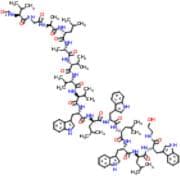
Gramicidin is a peptide antibiotic that is primarily derived from the bacterium Bacillus brevis. It is composed of a linear sequence of amino acids and is known for its ability to disrupt bacterial cell membranes, leading to cell lysis. Gramicidin exhibits a unique structure, forming a channel in lipid bilayers, which allows the passage of monovalent cations, such as sodium and potassium ions. This mechanism of action makes it effective against a range of Gram-positive bacteria. Gramicidin is typically used in topical formulations for treating infections and is often combined with other antibiotics to enhance its efficacy. It is characterized by its low solubility in water, which can limit its systemic use, and it is usually administered in localized forms, such as ointments or eye drops. Additionally, gramicidin is sensitive to enzymatic degradation, which can affect its stability and effectiveness. Its use in clinical settings has diminished due to the development of antibiotic resistance and the availability of more effective alternatives.
Formula:Unspecified
Synonyms:- Gramicidina
- Gramicidine
- Gramicidins
- Gramoderm
- Gramicidin
- MeSH ID: D006096
Sort by
Purity (%)
0
100
|
0
|
50
|
90
|
95
|
100
Found 10 products.
Gramicidin, 95%
CAS:For cellular and molecular biology applications
Formula:C99H140N20O17Purity:95%Color and Shape:PowderMolecular weight:1882.29SECOND INTERNATIONAL STANDARD FOR GRAMICIDIN
CAS:SECOND INTERNATIONAL STANDARD FOR GRAMICIDINFormula:C99H140N20O17Gramicidin
CAS:Antibiotics nesoiFormula:C148H210N30O26Color and Shape:White Off-White PowderMolecular weight:2823.60326Gramicidin
CAS:Gramicidin (Gramicidine) is an antimicrobial peptide. Gramicidin is effective against Gram-positive bacteria. Cost-effective and quality-assured.
Formula:C99H140N20O17Purity:97.03%Color and Shape:SolidMolecular weight:1882.33Gramicidin (Technical Grade)
CAS:Controlled ProductFormula:C99H140N20O17Color and Shape:Off-WhiteMolecular weight:1882.3Gramicidin
CAS:Gramicidin is an antibiotic, which is derived from soil bacteria of the genus Bacillus, specifically Bacillus brevis. This polypeptide antibiotic exerts its antibacterial effects by disrupting the cell membranes of susceptible bacteria. Gramicidin forms channels in the phospholipid bilayers of bacterial cell membranes, leading to uncontrolled cation fluxes, which ultimately results in cell death. This mechanism is particularly effective against Gram-positive bacteria due to their specific cell wall structure.
Formula:C99H140N20O17Purity:A1.A2.B1.C1 And C2) 95%Color and Shape:PowderMolecular weight:1,882.3 g/mol