CAS 14062-29-4
:Ethyl (3-chlorophenyl)acetate
Description:
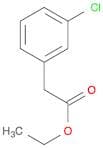
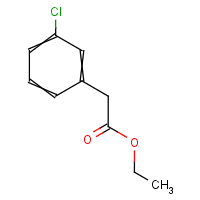
Ethyl (3-chlorophenyl)acetate, with the CAS number 14062-29-4, is an organic compound characterized by its ester functional group. It is formed from the reaction of ethyl alcohol and 3-chlorophenylacetic acid. This compound typically appears as a colorless to pale yellow liquid with a pleasant, fruity odor, making it useful in flavoring and fragrance applications. Ethyl (3-chlorophenyl)acetate is moderately soluble in water and more soluble in organic solvents, reflecting its hydrophobic nature due to the aromatic ring. The presence of the chlorine atom on the phenyl ring can influence its reactivity and biological activity, potentially enhancing its antimicrobial properties. In terms of safety, it is important to handle this compound with care, as it may cause irritation to the skin and eyes. Additionally, proper storage in a cool, well-ventilated area away from heat sources is recommended to maintain its stability and prevent degradation. Overall, this compound is of interest in both industrial applications and research settings.
Formula:C10H11ClO2
InChI:InChI=1/C10H11ClO2/c1-2-13-10(12)7-8-4-3-5-9(11)6-8/h3-6H,2,7H2,1H3
SMILES:CCOC(=O)Cc1cccc(c1)Cl
Synonyms:- Benzeneacetic Acid, 3-Chloro-, Ethyl Ester
- Ethyl m-chlorophenylacetate
Sort by
Purity (%)
0
100
|
0
|
50
|
90
|
95
|
100
Found 4 products.
Benzeneacetic acid, 3-chloro-, ethyl ester
CAS:Formula:C10H11ClO2Purity:97%Color and Shape:LiquidMolecular weight:198.6461(3-Chlorophenyl)acetic acid ethyl ester
CAS:Formula:C10H11ClO2Purity:95%Color and Shape:LiquidMolecular weight:198.65Ethyl 2-(3-chlorophenyl)acetate
CAS:Ethyl 2-(3-chlorophenyl)acetate is an orally active small molecule that has been shown to have a potent immunosuppressive activity in mice. It inhibits the production of antibodies and T cells by binding to the antibody-producing cells in the spleen. Ethyl 2-(3-chlorophenyl)acetate also blocks the production of interleukin-4, which is important for eosinophil activation, and it can be used for asthma treatment. This compound is a competitive antagonist of histamine H1 receptors and has been shown to be a bronchodilator in murine models of asthma.Formula:C10H11ClO2Purity:Min. 95%Molecular weight:198.65 g/mol