![Phenol, 4-[(3,5-diamino-1H-pyrazol-4-yl)azo]-](/_next/image/?url=https%3A%2Fstatic.cymitquimica.com%2Fcas-image%2Fthumb-webp%2F313298-phenol-4-35-diamino-1h-pyrazol-4-yl-azo.webp&w=3840&q=75)
CAS 140651-18-9
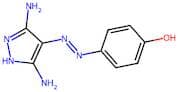
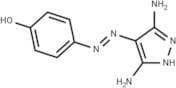
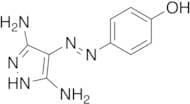
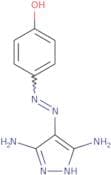
:Phenol, 4-[(3,5-diamino-1H-pyrazol-4-yl)azo]-
Description:
Phenol, 4-[(3,5-diamino-1H-pyrazol-4-yl)azo]- is an azo compound characterized by the presence of a phenolic group and an azo linkage, which connects the phenol to a pyrazole derivative. This compound typically exhibits a vibrant color due to the azo group, which is known for its ability to absorb visible light. The presence of amino groups in the pyrazole moiety enhances its reactivity and potential for forming hydrogen bonds, which can influence solubility and interaction with other molecules. Azo compounds are often used in dyes and pigments, and their stability can vary depending on the surrounding chemical environment. Additionally, the phenolic structure contributes to the compound's potential antioxidant properties. Safety considerations are important, as many azo compounds can be toxic or carcinogenic, necessitating careful handling and assessment of their environmental impact. Overall, this compound's unique structure and functional groups suggest potential applications in various fields, including pharmaceuticals, materials science, and analytical chemistry.
Formula:C9H10N6O
Sort by
Purity (%)
0
100
|
0
|
50
|
90
|
95
|
100
Found 5 products.
Phenol, 4-[2-(3,5-diamino-1H-pyrazol-4-yl)diazenyl]-
CAS:Formula:C9H10N6OPurity:97%Color and Shape:SolidMolecular weight:218.2153CAN508
CAS:CAN508: potent CDK9/T1 inhibitor; IC50 0.35 μM, Cdk2/E; Ki 13.3 μM, IC50 20 μM; 38x selective; antitumor.Formula:C9H10N6OPurity:98.65%Color and Shape:SolidMolecular weight:218.22Cdk9 Inhibitor II
CAS:Cdk9 Inhibitor II is a small molecule that inhibits the activity of Cdk9 kinase, which is involved in cell cycle progression. It has been shown to exhibit cytostatic effects on cells in culture and to inhibit the proliferation of tumor cells in animal models. The compound selectively targets the Cdk9 kinase, with no inhibition of other CDKs or protein tyrosine kinases. The compound was designed based on a chemical structure that contains a pyrazole ring and a chloro-hydrocarbon group. This leads to an increased selectivity for Cdk9 over other CDKs and protein tyrosine kinases.
Formula:C9H10N6OPurity:Min. 95%Molecular weight:218.22 g/mol
![Phenol, 4-[2-(3,5-diamino-1H-pyrazol-4-yl)diazenyl]-](/_next/image/?url=https%3A%2Fstatic.cymitquimica.com%2Fproducts%2FIN%2Fthumb%2FDA001CMV.jpg&w=3840&q=75)