CAS 141602-25-7
:Pyrimidine, 4-chloro-6-ethyl- (9CI)
Description:
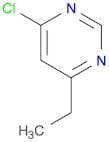
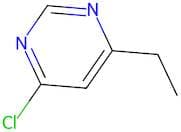
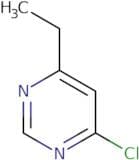
Pyrimidine, 4-chloro-6-ethyl- (9CI) is a heterocyclic organic compound characterized by a pyrimidine ring, which consists of a six-membered ring containing two nitrogen atoms at positions 1 and 3. The presence of a chlorine atom at the 4-position and an ethyl group at the 6-position contributes to its unique chemical properties. This compound is typically colorless to pale yellow and may exhibit a range of physical states depending on its purity and environmental conditions. It is soluble in organic solvents and may have limited solubility in water. Pyrimidine derivatives are known for their biological significance, often serving as building blocks in pharmaceuticals and agrochemicals. The compound may participate in various chemical reactions, including nucleophilic substitutions and electrophilic aromatic substitutions, due to the electron-withdrawing nature of the chlorine substituent. Safety data should be consulted for handling, as halogenated compounds can pose health risks. Overall, 4-chloro-6-ethylpyrimidine is an important compound in synthetic organic chemistry and medicinal chemistry research.
Formula:C6H7ClN2
Sort by
Purity (%)
0
100
|
0
|
50
|
90
|
95
|
100
Found 4 products.
Pyrimidine, 4-chloro-6-ethyl-
CAS:Formula:C6H7ClN2Purity:95%Color and Shape:LiquidMolecular weight:142.58624-chloro-6-ethylpyrimidine
CAS:Formula:C6H7ClN2Purity:95%Color and Shape:LiquidMolecular weight:142.594-Chloro-6-ethylpyrimidine
CAS:4-Chloro-6-ethylpyrimidine is an inhibitor of pyrimidine synthesis and a reactive kinase template. It can be eliminated by the kidneys and liver. 4-Chloro-6-ethylpyrimidine inhibits the synthesis of pyrimidines, which are necessary for DNA replication, repair, and transcription. The drug has been shown to have potent inhibitory effects on both protein kinase C and tyrosine kinases (focal adhesion protein).Formula:C6H7ClN2Purity:Min. 95%Molecular weight:142.59 g/mol