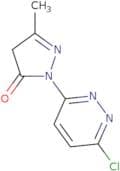
CAS 14246-87-8
:3H-Pyrazol-3-one, 2-(6-chloro-3-pyridazinyl)-2,4-dihydro-5-methyl-
Description:
3H-Pyrazol-3-one, 2-(6-chloro-3-pyridazinyl)-2,4-dihydro-5-methyl- is a chemical compound characterized by its pyrazolone structure, which features a five-membered ring containing two nitrogen atoms. This compound includes a chloro-substituted pyridazine moiety, contributing to its unique reactivity and potential biological activity. The presence of the methyl group enhances its lipophilicity, which may influence its solubility and interaction with biological systems. The compound's structure suggests potential applications in medicinal chemistry, particularly in the development of pharmaceuticals, due to the presence of heteroatoms that can participate in various chemical reactions. Additionally, the chloro group may impart specific electronic properties, affecting the compound's overall stability and reactivity. As with many heterocyclic compounds, the synthesis and characterization of this substance are crucial for understanding its properties and potential uses in various fields, including agrochemicals and materials science. Safety and handling precautions should be observed, as with all chemical substances, due to potential toxicity or reactivity.
Formula:C8H7ClN4O
Sort by
Purity (%)
0
100
|
0
|
50
|
90
|
95
|
100
Found 1 products.
1-(6-Chloropyridazin-3-yl)-3-methyl-4,5-dihydro-1H-pyrazol-5-one
CAS:1-(6-Chloropyridazin-3-yl)-3-methyl-4,5-dihydro-1H-pyrazol-5-one (1) was found to be a potent inhibitor of β amyloid fibril formation and a lead compound for the treatment of Alzheimer's disease. The compound inhibits amyloid fibril formation by binding to the hydrophobic region in the core of the fibrils and preventing crosslinking. 1 also inhibits pancreatic β cell secretion, resulting in reduced production of insulin, which causes glucose intolerance. This drug has been shown to reduce glycemic levels in diabetic mice without causing hypoglycemia.Formula:C8H7ClN4OPurity:Min. 95%Molecular weight:210.62 g/mol