CAS 14257-35-3
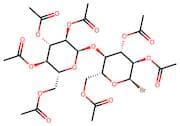
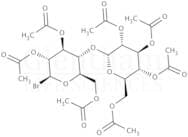
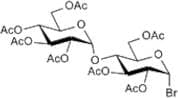
:acetobromo-A-maltose
Description:
Acetobromo-A-maltose, with the CAS number 14257-35-3, is a disaccharide derivative that features a maltose backbone modified by the addition of bromine and an acetyl group. This compound is characterized by its glycosidic bond, which connects two glucose units, and the presence of a bromine atom at one of the anomeric positions, which can influence its reactivity and biological activity. The acetyl group enhances its lipophilicity, potentially affecting its solubility and interaction with biological membranes. Acetobromo-A-maltose is often utilized in biochemical research, particularly in studies involving glycosylation reactions and enzyme interactions, as it can serve as a substrate or inhibitor for glycosidases. Its structural modifications make it a valuable tool for probing the mechanisms of carbohydrate metabolism and the role of oligosaccharides in biological systems. As with many chemical substances, handling should be done with care, considering its potential reactivity and the need for appropriate safety measures in laboratory settings.
Formula:C26H35BrO17
Synonyms:- Acetobromo-Alpha-Maltose
Sort by
Purity (%)
0
100
|
0
|
50
|
90
|
95
|
100
Found 4 products.
2,3,6,2',3',4',6'-Hepta-O-acetyl-a-D-maltosyl bromide
CAS:Formula:C26H35BrO17Purity:%Color and Shape:SolidMolecular weight:699.44992,3,6,2',3',4',6'-Hepta-O-acetyl-a-D-maltosyl bromide
CAS:2,3,6,2',3',4',6'-Hepta-O-acetyl-a-D-maltosyl bromide is a fatty acid that is isolated from the fungus Penicillium notatum. It has been shown to have anti-cancer properties by inhibiting cell proliferation and inducing cancer cell death by apoptosis. The mechanism of action has been shown to be due to its ability to inhibit the phospholipid membrane synthesis and disrupt the interaction between lipids and proteins in the membrane. This compound also inhibits the growth of cancer cells by binding with the hydroxyl group on the surface of cancer cells. 2,3,6,2',3',4',6'-Hepta-O-acetyl-a-D-maltosyl bromide has been shown to inhibit muscle cell proliferation in vitro and in vivo. This drug can be used as an alternative for treatment for cancer or other diseases that are caused by muscleFormula:C26H35BrO17Purity:Min. 95 Area-%Color and Shape:White PowderMolecular weight:699.45 g/mol