CAS 144881-21-0
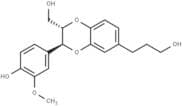
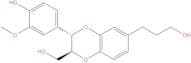
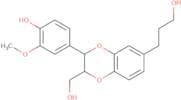
:1,4-Benzodioxin-6-propanol,2,3-dihydro-3-(4-hydroxy-3-methoxyphenyl)-2-(hydroxymethyl)-, (2S,3S)-
Description:
1,4-Benzodioxin-6-propanol, 2,3-dihydro-3-(4-hydroxy-3-methoxyphenyl)-2-(hydroxymethyl)-, (2S,3S)-, with CAS number 144881-21-0, is a chemical compound characterized by its complex structure that includes a benzodioxin moiety and multiple hydroxyl groups. This compound is typically classified as a phenolic compound due to the presence of hydroxyl (-OH) groups attached to aromatic rings. Its stereochemistry is defined by the (2S,3S) configuration, indicating specific spatial arrangements of its atoms, which can influence its biological activity and reactivity. The presence of methoxy and hydroxymethyl groups suggests potential for hydrogen bonding and interactions with biological targets, making it of interest in medicinal chemistry. Additionally, compounds of this nature may exhibit antioxidant properties, which can be beneficial in various applications, including pharmaceuticals and agrochemicals. However, detailed studies on its specific properties, such as solubility, stability, and reactivity, would be necessary to fully understand its potential uses and behavior in different environments.
Formula:C19H22O6
Synonyms:- 1,4-Benzodioxin-6-propanol,2,3-dihydro-3-(4-hydroxy-3-methoxyphenyl)-2-(hydroxymethyl)-, (2S-trans)-
Sort by
Purity (%)
0
100
|
0
|
50
|
90
|
95
|
100
Found 3 products.
4',9,9'-Trihydroxy-3'-methoxy-3,7'-epoxy-4,8'-oxyneolignan
CAS:4',9,9'-Trihydroxy-3'-methoxy-3,7'-epoxy-4,8'-oxyneolignan is a natural product for research related to life sciences.Formula:C19H22O6Purity:98%Color and Shape:SolidMolecular weight:346.374',9,9'-Trihydroxy-3'-methoxy-3,7'-epoxy-4,8'-oxyneolignan
CAS:Formula:C19H22O6Purity:95%~99%Color and Shape:OilMolecular weight:346.3794',9,9'-Trihydroxy-3'-methoxy-3,7'-epoxy-4,8'-oxyneolignan
CAS:4',9,9'-Trihydroxy-3'-methoxy-3,7'-epoxy-4,8'-oxyneolignan is a lignan derivative, which is a type of polyphenolic compound. It is sourced from specific plant species, often found in natural products like seeds, bark, or roots of various botanicals recognized for their therapeutic potential. The mode of action of this compound involves interactions with cellular signaling pathways, where it may exert antioxidant, anti-inflammatory, or other bioactive effects. These interactions can influence biological processes such as cell proliferation, apoptosis, and immune response, making the compound of interest in various research fields.
Formula:C19H22O6Purity:Min. 95%Molecular weight:346.4 g/molRef: 3D-UFA88121
Discontinued product