CAS 145523-71-3
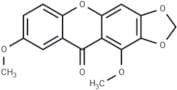
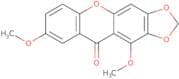
:1,7-Dimethoxy-2,3-methylenedioxyxanthone
Description:
1,7-Dimethoxy-2,3-methylenedioxyxanthone is a synthetic organic compound belonging to the xanthone class, characterized by its complex polycyclic structure. This compound features two methoxy groups (-OCH3) and a methylenedioxy group (-O-CH2-O-) attached to the xanthone backbone, which contributes to its unique chemical properties and potential biological activities. It is typically a yellow to orange crystalline solid, exhibiting moderate solubility in organic solvents. The presence of methoxy and methylenedioxy groups can enhance its lipophilicity and influence its interaction with biological systems. This compound has garnered interest in various fields, including medicinal chemistry, due to its potential antioxidant, anti-inflammatory, and anticancer properties. Its structure allows for various chemical modifications, making it a versatile scaffold for drug development. However, detailed studies on its pharmacological effects and mechanisms of action are necessary to fully understand its potential applications in therapeutics. As with many xanthones, it may also exhibit fluorescence, which can be useful in analytical applications.
Formula:C16H12O6
Synonyms:- 1,7-Dimethoxy-2,3-methylenedioxyxanthone
- 811-Dimethoxy-10H-13-dioxolo[45-b]xanthen-10-one/17-Dimethoxy-23-methylenedioxyxanthone
- 10H-1,3-Dioxolo[4,5-b]xanthen-10-one, 8,11-dimethoxy-
Sort by
Purity (%)
0
100
|
0
|
50
|
90
|
95
|
100
Found 2 products.
1,7-Dimethoxy-2,3-methylenedioxyxanthone
CAS:1,7-Dimethoxy-2,3-methylenedioxyxanthone is a natural product for research related to life sciences.Formula:C16H12O6Purity:98%Color and Shape:SolidMolecular weight:300.261,7-Dimethoxy-2,3-methylenedioxyxanthone
CAS:1,7-Dimethoxy-2,3-methylenedioxyxanthone is an organic compound classified as a xanthone derivative, which is predominantly isolated from various plant species. These xanthones are often sourced from natural environments, particularly found in the roots, bark, and other parts of certain medicinal plants. Their mode of action involves interacting with specific biological pathways, including enzyme inhibition and modulation of signaling pathways, which can influence oxidative stress responses and cellular proliferation.Formula:C16H12O6Purity:Min. 95%Molecular weight:300.26 g/mol