CAS 149-29-1
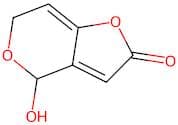
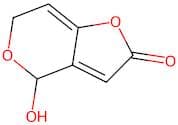
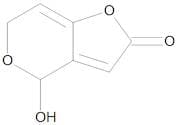
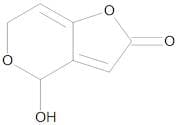
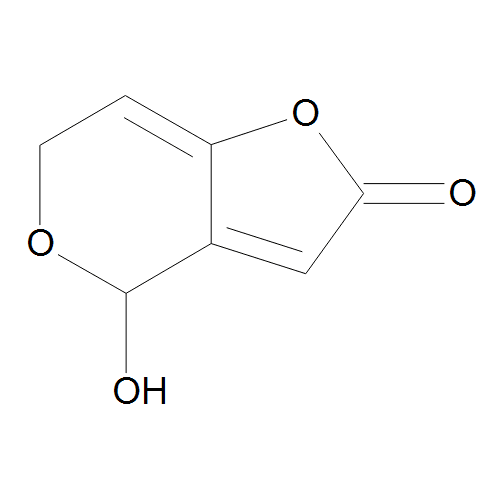
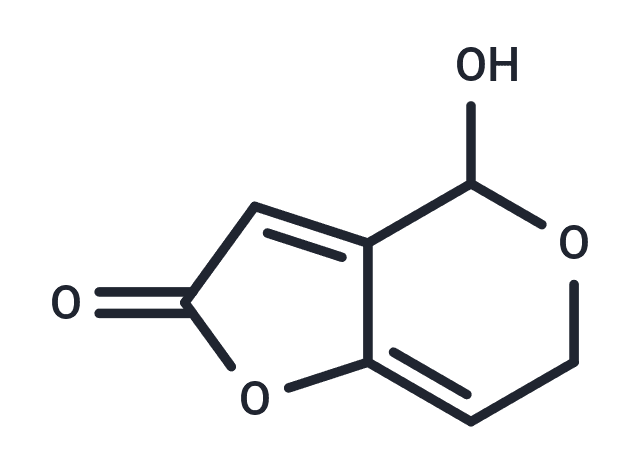
:Patulin
- 4,6-Dihydro-4-hydroxy-2H-furo[3,2-c]pyran-2-on
- 4,6-dihidro-4-hidroxi-2H-furo[3,2-c]piran-2-ona
- 4,6-dihydro-4-hydroxy-2H-furo[3,2-c]pyran-2-one
- 4,6-dihydro-4-hydroxy-2H-furo[3,2-c]pyranne-2-one
- 4-Hydroxy-4H-furo[3,2-c]pyran-2(6H)-one
- <span class="text-smallcaps">DL</span>-Patulin
- Acetic acid, (2,4-dihydroxy-2H-pyran-3(6H)-ylidene)-, 3,4-lactone
- Clairformin
- Clavacin
- Clavatin
- Claviformin
- DL-Patulin
- Expansin
- Expansin (antibiotic)
- Expansine
- Gigantin
- Leucopin
- Mycoin
- Mycoin C
- Mycoin C3
- Mycoin C<sub>3</sub>
- Nsc 32951
- Nsc 8120
- Patulin
- Patuline
- Penicidin
- Terinin
- CCRIS 4940
- Tercinin
- Claviform
- Mycoine C3
- HSDB 3522
- (2,4-Dihydroxy-2H-pyran-3(6H)-ylidene)acetic acid, 3,4-lactone
- 2H-Pyran-delta(sup 3(6H),alpha)-acetic acid, 2,4-dihydroxy-, 3,4-lactone
- (4R)-4-hydroxy-4H-furo[3,2-c]pyran-2(6H)-one
- 5-18-03-00005 (Beilstein Handbook Reference)
- 4H-Furo[3,2-c]pyran-2(6H)-one, 4-hydroxy-
- Penatin
- 4H-Furo(3,2-c)pyran-2(6H)-one, 4-hydroxy-
- BRN 0149675
- 2,4-Dihydroxy-2H-pyran-delta-3(6H),alpha-acetic acid-3,4-lactone
- (4S)-4-hydroxy-4H-furo[3,2-c]pyran-2(6H)-one
- 4H-Furo(3,3-c)pyran-2(6H)-one, 4-hydroxy-
- (2,4-Dihydroxy-2H-pyran-3(6H)-ylidene)acetic acid-3,4-lactone
- See more synonyms
4H-FURO[3,2-C]PYRAN-2(6H)-ONE, 4-HYDROXY-
CAS:Formula:C7H6O4Purity:95%Color and Shape:SolidMolecular weight:154.1201Patulin Standard Solution
CAS:Patulin Standard SolutionFormula:C7H6O4Color and Shape:Colourless LiquidMolecular weight:154.12g/molPatulin from Penicillium expansum
CAS:Patulin from Penicillium expansumFormula:C7H6O4Purity:By hplc: 100% (Typical Value in Batch COA)Color and Shape: white crystalsMolecular weight:154.12g/molPatulin
CAS:Formula:C7H6O4Purity:≥ 98.0%Color and Shape:White to pale yellow crystalline powderMolecular weight:154.12Patulin 100 µg/mL in Acetonitrile
CAS:Controlled ProductFormula:C7H6O4Color and Shape:Single SolutionMolecular weight:154.12Patulin 100 µg/mL in Acetonitrile
CAS:Controlled ProductFormula:C7H6O4Color and Shape:Single SolutionMolecular weight:154.12PATULIN
CAS:Patulin (Claviform) is a mycotoxin produced by a variety of molds commonly found in rotting apples, including Aspergillus and Penicillium.Formula:C7H6O4Purity:99.91% - 99.98%Color and Shape:Compact Prisms Or Thick Plates From Ether Or Chloroform White CrystallineMolecular weight:154.12Patulin
CAS:Stability Hygroscopic
Applications Patulin (PAT), a mycotoxin produced by certain species of Penicillium, Aspergillus, and Byssochlamys, is mainly found in ripe apple and apple products. Patulin-induced genotoxicity and modulation of glutathione in Hep G2 cells. Patulin is an antibiotic. Patulin-induced nephropathy and gastrointestinal tract malfunction have been demonstrated in several animal models. The oral LD50 value of patulin ranges between 29 and 55 mg/kg body weight in rodents and 170 mg/kg body weight in poultry. The World Health Organization considers patulin cytotoxic and established a safety level of patulin in apple juice at 50 μM. At 100-200 μM, patulin can directly increase intracellular oxidative stress in HEK293 and HL-60 cells. In 1944, this compound was tested in a clinical trial for potential antibiotic
Not a dangerous good if item is equal to or less than 1g/ml and there is less than 100g/ml in the package
References Scott, P., et al.: J. Agric. Food Chem., 20, 450 (1972), Aden, D., et al.: Nature, 282, 615 (1979), Surralles, J., et al.: Mutat. Res., 341, 169 (1995), Alves, I., et al.: Mutagenesis, 15, 229 (2000), Liu, B., et al.: Toxicol. Appl. Pharmacol., 191, 255 (2003), Puel, O., Galtier, P., and Oswald, I.P. Biosynthesis and toxicological effects of patulin. Toxins 2(4) 613-631 (2010). Liu, B., Wu, T., Yu, F., et al. Induction of oxidative stress response by the mycotoxin patulin in mammalian cells. Toxicol Sci 95(2) 340-347 (2007). Chalmers, I., and Clarke, M. Commentary: The 1994 patulin trial: The first properly controlled multicentre trial conducted under the aegis of the British Medical Research Council. Int J Epidemiol 32 253-260 (2004).Formula:C7H6O4Color and Shape:Off-White To YellowMolecular weight:154.12Patulin
CAS:Patulin is a mycotoxin, which is a toxic secondary metabolite produced by certain species of fungi, particularly those within the genera Penicillium, Aspergillus, and Byssochlamys. It is predominantly sourced from moldy fruits, especially apples and apple-derived products, where these fungi thrive and synthesize the compound. The mode of action of patulin involves disrupting cellular processes by forming covalent adducts with proteins and nucleic acids, ultimately leading to cellular damage and oxidative stress.Formula:C7H6O4Purity:Min. 95%Color and Shape:White PowderMolecular weight:154.12 g/mol
![4H-FURO[3,2-C]PYRAN-2(6H)-ONE, 4-HYDROXY-](/_next/image/?url=https%3A%2Fstatic.cymitquimica.com%2Fproducts%2FIN%2Fthumb%2FDA001LCB.jpg&w=3840&q=75)