CAS 149263-94-5
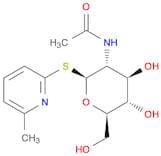
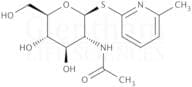
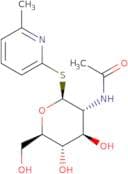
:6'-methyl-2-pyridinoyl-2-(acetylamino)-2-deoxy-1-thio-B-D-glucopyranoside
Description:
6'-Methyl-2-pyridinoyl-2-(acetylamino)-2-deoxy-1-thio-B-D-glucopyranoside, with the CAS number 149263-94-5, is a chemical compound that belongs to the class of glycosides, specifically a thio-glycoside. This compound features a pyridine ring, which contributes to its aromatic properties, and a thio group that replaces the typical oxygen in the glycosidic bond, enhancing its reactivity and potential biological activity. The presence of an acetylamino group indicates that it may participate in various biochemical interactions, potentially influencing its solubility and stability. The methyl group on the pyridine ring can affect the compound's electronic properties and steric hindrance, which may play a role in its interaction with biological targets. Overall, this compound's unique structural features suggest potential applications in medicinal chemistry, particularly in the development of therapeutics or as a biochemical probe, although specific biological activities would require further investigation.
- Mpt-Nag
- 6-methyl-2-pyridinyl-2-(acetylamino)-2-deoxy-1-thio-β-D-glucopyranoside
- 6-Methyl-2-pyridinyl 2-(acetylamino)-2-deoxy-1-thio-beta-D-glucopyranoside
Sort by
Purity (%)
0
100
|
0
|
50
|
90
|
95
|
100
Found 3 products.
6-Methyl-2-pyridinyl 2-(acetylamino)-2-deoxy-1-thio-β-d-glucopyranoside
CAS:Formula:C14H20N2O5SPurity:95%Molecular weight:328.38406-Methyl-2-pyridyl 2-acetamido-2-deoxy-b-D-thioglucopyranoside
CAS:The 6-Methyl-2-pyridyl 2-acetamido-2-deoxy-b-D-thioglucopyranoside is a chloride salt that has been used in the laboratory to develop an analytical method for the determination of glucose in urine samples. The bioavailability of 6MP is low and it is excreted by renal filtration, so this compound has been used as a marker for renal transplantation. Glomerular filtration rate (GFR) is reduced in diabetic patients, leading to a decrease in the amount of 6MP excreted. This drug can be administered orally or intravenously and has shown efficacy at low dose levels. Low doses have also been associated with decreased detection sensitivity due to its low level of excretion, which makes it an ideal candidate for use as a biomarker for chronic kidney disease. A chronic kidney disease animal model was used to study the effects on GFR and creatinine clearance ratesPurity:Min. 95%Color and Shape:White PowderMolecular weight:328.39 g/mol