CAS 15009-91-3
:Pyridine, 2-nitro- (6CI, 7CI, 8CI, 9CI)
Description:
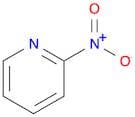
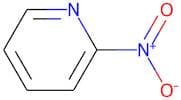
Pyridine, 2-nitro- (CAS 15009-91-3) is an aromatic heterocyclic compound characterized by a six-membered ring containing five carbon atoms and one nitrogen atom, with a nitro group (-NO2) attached to the second carbon of the pyridine ring. This compound is typically a yellow to brown liquid or solid, depending on its purity and form. It is known for its distinct, pungent odor and is soluble in organic solvents such as ethanol and ether, but has limited solubility in water. Pyridine derivatives, including 2-nitropyridine, are often utilized in the synthesis of pharmaceuticals, agrochemicals, and dyes due to their reactivity and ability to participate in various chemical reactions, such as nucleophilic substitutions and electrophilic aromatic substitutions. Additionally, 2-nitropyridine can serve as an intermediate in the production of other chemical compounds. However, it is important to handle this substance with care, as it may pose health risks, including irritation to the skin, eyes, and respiratory system.
Formula:C5H4N2O2
InChI:InChI=1/C5H4N2O2/c8-7(9)5-3-1-2-4-6-5/h1-4H
SMILES:c1ccnc(c1)N(=O)=O
Synonyms:- Pyridine, 2-nitro- (8CI)(9CI)
- 2-Nitropyridine
- Nsc 159025
Sort by
Purity (%)
0
100
|
0
|
50
|
90
|
95
|
100
Found 4 products.
2-Nitropyridine
CAS:<p>2-Nitropyridine is a nitro group that can be found in the molecule of nitroglycerin. It has been shown to be carcinogenic in rats and mice. 2-Nitropyridine reacts with sodium carbonate to form 2-nitropyrimidine-5-carbonitrile, which then reacts with water to form 2-nitropyrimidine-5-carboxylic acid. This reaction mechanism is similar to the reaction mechanism for the synthesis of nitroglycerin from glycerol and nitric acid. In addition, 2-nitropyridine is also used as an intermediate in the synthesis of some drugs, such as nifedipine and nimodipine. This chemical has been shown to have antiinflammatory properties and may be useful for treating inflammatory diseases such as myocardial infarct (heart attack) or hypoxic tumor (tumor caused by low oxygen).</p>Formula:C5H4N2O2Purity:Min. 97 Area-%Color and Shape:PowderMolecular weight:124.1 g/mol