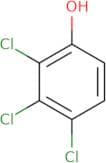
CAS 15950-66-0
:2,3,4-Trichlorophenol
Description:
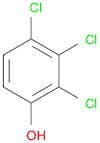
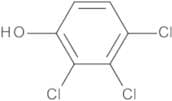
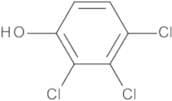
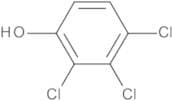
2,3,4-Trichlorophenol is an organic compound characterized by the presence of three chlorine atoms substituted on a phenolic ring. It is a chlorinated derivative of phenol, specifically with chlorine atoms located at the 2, 3, and 4 positions. This compound typically appears as a white to pale yellow solid and is known for its distinct, pungent odor. It is soluble in organic solvents but has limited solubility in water. 2,3,4-Trichlorophenol is primarily used in the production of pesticides, herbicides, and as a biocide in various applications. Its chemical structure contributes to its antimicrobial properties, making it effective against a range of microorganisms. However, it is also associated with environmental and health concerns, as it can be toxic and persistent in the environment. Proper handling and disposal are essential to mitigate its potential risks. As with many chlorinated compounds, it is important to monitor exposure levels due to potential adverse effects on human health and ecosystems.
Formula:C6H3Cl3O
InChI:InChI=1S/C6H3Cl3O/c7-3-1-2-4(10)6(9)5(3)8/h1-2,10H
InChI key:InChIKey=HSQFVBWFPBKHEB-UHFFFAOYSA-N
SMILES:ClC1=C(Cl)C(O)=CC=C1Cl
Synonyms:- 246-694-0
- Phenol, 2,3,4-trichloro-
- 2,3,4-Trichlorophenol
Sort by
Purity (%)
0
100
|
0
|
50
|
90
|
95
|
100
Found 14 products.
SVOC Mixture 231 100 µg/mL in Methanol
CAS:Controlled Product- 105-67-9
- 106-44-5
- 106-48-9
- 108-39-4
- 108-43-0
- 108-68-9
- 108-95-2
- 120-83-2
- 123-07-9
- 1570-64-5
- 15950-66-0
- 2416-94-6
- 4901-51-3
- 496-78-6
- 526-75-0
- 527-54-8
- 527-60-6
- 576-24-9
- 576-26-1
- 58-90-2
- 583-78-8
- 59-50-7
- 591-35-5
- 609-19-8
- 620-17-7
- 697-82-5
- 87-65-0
- 87-86-5
- 88-06-2
- 90-00-6
- 933-75-5
- 933-78-8
- 935-95-5
- 95-48-7
- 95-57-8
- 95-65-8
- 95-77-2
- 95-87-4
- 95-95-4
Color and Shape:Mixture2,3,4-Trichlorophenol 10 µg/mL in Cyclohexane
CAS:Formula:C6H3Cl3OColor and Shape:Single SolutionMolecular weight:197.45SVOC Mixture 231 100 µg/mL in Methanol
CAS:Controlled Product- 105-67-9
- 106-44-5
- 106-48-9
- 108-39-4
- 108-43-0
- 108-68-9
- 108-95-2
- 120-83-2
- 123-07-9
- 1570-64-5
- 15950-66-0
- 2416-94-6
- 4901-51-3
- 496-78-6
- 526-75-0
- 527-54-8
- 527-60-6
- 576-24-9
- 576-26-1
- 58-90-2
- 583-78-8
- 59-50-7
- 591-35-5
- 609-19-8
- 620-17-7
- 697-82-5
- 87-65-0
- 87-86-5
- 88-06-2
- 90-00-6
- 933-75-5
- 933-78-8
- 935-95-5
- 95-48-7
- 95-57-8
- 95-65-8
- 95-77-2
- 95-87-4
- 95-95-4
Color and Shape:Mixture2,3,4-Trichlorophenol
CAS:2,3,4-TrichlorophenolFormula:C6H3Cl3OPurity:98%Color and Shape: white solidMolecular weight:197.45g/mol2,3,4-Trichlorophenol
CAS:2,3,4-Trichlorophenol (2,3,4-TCP) is a water-soluble compound that is used as an analytical reagent. 2,3,4-TCP is also an antimicrobial agent found in household cleaners and disinfectants. It is used to remove bacteria from equipment and surfaces in hospitals and other healthcare facilities. The acidic aqueous solution of 2,3,4-TCP has been shown to adsorb triclosan and p-hydroxybenzoic acid from wastewater treatment systems. The reaction mechanism for the adsorption process is not well understood but may involve the formation of hydrogen bonds between the polar hydroxyl groups on 2,3,4-TCP and the carboxyl groups on triclosan or p-hydroxybenzoic acid. Anhydrous sodium can be used as an alternative to water for this process.
Formula:Cl3C6H2OHPurity:Min. 95%Molecular weight:197.45 g/mol