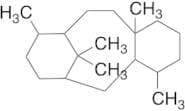
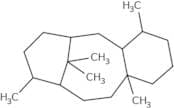
CAS 1605-68-1
:taxane
- (4R,4aR,6S,9R,10S,12aR)-Tetradecahydro-4,9,12a,13,13-pentamethyl-6,10-methanobenzocyclodecene
- 6,10-Methanobenzocyclodecene, tetradecahydro-4,9,12a,13,13-pentamethyl-, (4R,4aR,6S,9R,10S,12aR)-
- 6,10-Methanobenzocyclodecene, tetradecahydro-4,9,12a,13,13-pentamethyl-, (4R-(4alpha,4abeta,6alpha,9alpha,10alpha,12aalpha))-
- 6,10-Methanobenzocyclodecene, tetradecahydro-4,9,12a,13,13-pentamethyl-, [4R-(4α,4aβ,6α,9α,10α,12aα)]-
- Taxan
- Taxane
- Paclitaxel Impurity 7
Taxane
CAS:Taxane is a potent cancer-fighting drug that has been shown to be effective against a variety of tumors. It is extracted from the bark of the Pacific yew tree and has been used in chemotherapy for many years. Taxane works by inhibiting cell division and promoting apoptosis, or programmed cell death, in cancer cells. This drug has been found to be effective against a range of cancers including breast, lung, ovarian, and prostate cancers. Taxane can be detected in urine using trypsin digestion and rifampicin treatment followed by liquid chromatography-mass spectrometry analysis. Studies have shown that Taxane analogs can inhibit kinase activity in cancer cells and may have potential as anti-cancer drugs. Astaxanthin, a carotenoid pigment found in algae and seafood, has also been found to enhance the effects of Taxane on cancer cells. Overall, Taxane is an important tool in the fight against cancer and continues to be an active area of research for new inhibitors
Formula:C20H36Purity:Min. 95%Molecular weight:276.5 g/molRef: 4Z-P-2851
Discontinued product