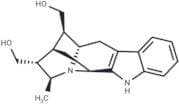
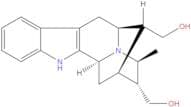
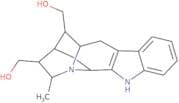
CAS 16100-84-8
:Dihydroperaksine
Description:
Dihydroperaksine, identified by its CAS number 16100-84-8, is a chemical compound that belongs to the class of organic peroxides. It is characterized by the presence of peroxide functional groups, which are known for their reactivity and potential to release oxygen. This compound typically exhibits properties such as being a colorless to pale yellow liquid, with a relatively low boiling point. Dihydroperaksine is sensitive to heat and shock, making it a hazardous material that requires careful handling and storage. Its reactivity can lead to polymerization or decomposition, especially in the presence of catalysts or under certain environmental conditions. Due to its peroxide nature, it may also act as an oxidizing agent, which can be utilized in various chemical reactions. However, specific applications and safety measures should be considered when working with this compound, as its instability can pose risks in laboratory and industrial settings. Always consult safety data sheets and relevant literature for detailed handling and usage guidelines.
Formula:C19H24N2O2
Synonyms:- Dihydroperaksine/19(S)20(R)-Dihydroperaksine
- Dihydroperaksine
- 18-Norsarpagan-17,19-diol, 19,20-dihydro-21-methyl-, (20α,21β)-
Sort by
Purity (%)
0
100
|
0
|
50
|
90
|
95
|
100
Found 3 products.
Dihydroperaksine
CAS:Dihydroperaksine is a natural product of Rauvolfia, Apocynaceae.Formula:C19H24N2O2Purity:98%Color and Shape:SolidMolecular weight:312.41Dihydroperaksine
CAS:Dihydroperaksine is a synthetic analogue of alkaloids, which are nitrogen-containing compounds often derived from plants. This compound is synthesized through chemical processes designed to mimic or enhance natural alkaloid structures. Its mode of action involves modulating neurotransmitter pathways in the central nervous system, particularly influencing dopamine and serotonin receptors. This modulation can affect mood, cognition, and neurological signal transmission.
Formula:C19H24N2O2Purity:Min. 95%Molecular weight:312.4 g/molRef: 3D-RAA10084
Discontinued product