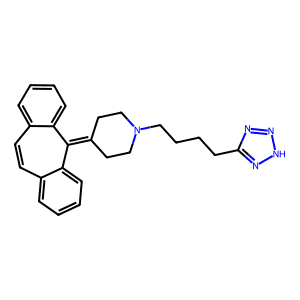
CAS 162640-98-4
:AT-56
Description:
AT-56, with the CAS number 162640-98-4, is a chemical compound that belongs to a specific class of substances often utilized in various industrial and research applications. While detailed characteristics such as its molecular structure, physical properties, and specific uses may vary, compounds like AT-56 typically exhibit unique reactivity profiles, solubility in certain solvents, and potential biological activity. The compound may be involved in applications ranging from pharmaceuticals to agrochemicals, depending on its functional groups and molecular interactions. Safety data sheets and regulatory information would provide insights into its toxicity, handling precautions, and environmental impact. As with any chemical substance, understanding its characteristics is crucial for safe and effective use in both laboratory and industrial settings. For precise information, including its synthesis, applications, and safety measures, consulting specialized literature or databases is recommended.
Sort by
Purity (%)
0
100
|
0
|
50
|
90
|
95
|
100
Found 5 products.
Piperidine, 4-(5H-dibenzo[a,d]cyclohepten-5-ylidene)-1-[4-(2H-tetrazol-5-yl)butyl]-
CAS:Formula:C25H27N5Purity:%Color and Shape:SolidMolecular weight:397.5154AT-56
CAS:AT56, a specific inhibitor of prostaglandin D2 synthase enzymatic activity, blunted adipogenic aldosterone effects.Formula:C25H27N5Purity:98.16% - 99.5%Color and Shape:SolidMolecular weight:397.52Ref: TM-T1866
1mg37.00€5mg79.00€1mL*10mM (DMSO)87.00€10mg119.00€25mg226.00€50mg378.00€100mg595.00€200mg833.00€AT-56
CAS:Controlled ProductApplications AT-56 is an orally active inhibitor of Lipocalin-type prostaglandin D synthase.
References Irikura, D. et al.: J. Biol. Chem., 284, 7623 (2012);Formula:C25H27N5Color and Shape:NeatMolecular weight:397.515AT-56
CAS:AT-56 is a novel and well-tolerated drug that is used for the treatment of cancer. AT-56 has been shown to inhibit the activity of mineralocorticoid receptor (MR), which is a member of steroid hormone receptors. The MR regulates salt and water balance in the body, so inhibition of this receptor can lead to severe hypertension. AT-56 also has an antiangiogenic effect by inhibiting vascular endothelial growth factor (VEGF) production in endothelial cells. This leads to decreased choroidal neovascularization, which causes blindness due to damage to retinal pigment epithelium cells. AT-56 also induces cell lysis, which may be associated with its ability to induce apoptosis in cancer cells. AT-56 binds to the tumor cell membrane with a high affinity and increases permeability through ion channels, leading to cell lysis and death.Formula:C25H27N5Purity:Min. 95%Molecular weight:397.52 g/mol
![Piperidine, 4-(5H-dibenzo[a,d]cyclohepten-5-ylidene)-1-[4-(2H-tetrazol-5-yl)butyl]-](/_next/image/?url=https%3A%2Fstatic.cymitquimica.com%2Fproducts%2FIN%2Fthumb%2FDA001TA4.jpg&w=3840&q=75)