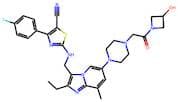
CAS 1628260-79-6
:GLPG-1690
Description:
GLPG-1690, also known by its chemical name, is a small molecule that has been investigated primarily for its potential therapeutic applications in the treatment of fibrotic diseases, particularly idiopathic pulmonary fibrosis (IPF). It functions as a selective inhibitor of the enzyme autotaxin, which is involved in the production of lysophosphatidic acid (LPA), a lipid mediator that plays a significant role in cell proliferation, migration, and fibrosis. By inhibiting autotaxin, GLPG-1690 aims to reduce LPA levels, thereby potentially mitigating fibrotic processes in affected tissues. The compound has undergone various phases of clinical trials to evaluate its safety, efficacy, and pharmacokinetic properties. In terms of its chemical structure, GLPG-1690 features specific functional groups that contribute to its biological activity and selectivity. As with many investigational drugs, ongoing research continues to elucidate its full pharmacological profile and therapeutic potential.
Sort by
Purity (%)
0
100
|
0
|
50
|
90
|
95
|
100
Found 5 products.
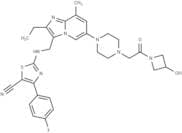
5-Thiazolecarbonitrile, 2-[[2-ethyl-6-[4-[2-(3-hydroxy-1-azetidinyl)-2-oxoethyl]-1-piperazinyl]-8-methylimidazo[1,2-a]pyridin-3-yl]methylamino]-4-(4-fluorophenyl)-
CAS:Formula:C30H33FN8O2SPurity:98%Color and Shape:SolidMolecular weight:588.6988Ziritaxestat
CAS:Ziritaxestat (GLPG1690), an autotaxin inhibitor, currently being evaluated in an exploratory phase 2 study in idiopathic pulmonary fibrosis patients.Formula:C30H33FN8O2SPurity:97% - 99.85%Color and Shape:SolidMolecular weight:588.7GLPG1690
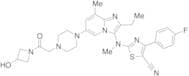
CAS:Controlled ProductApplications GLPG1690 is a selective autotaxin inhibitor discovered by Galapagos, with potential application in idiopathic pulmonary disease (IPF). In a Phase 1 study in healthy human volunteers, GLPG1690 demonstrated favorable safety and tolerability, as well as a strong pharmacodynamic signal implying target engagement.
References Desroy, Nicolas., et al.:J Med Chem., 60, 3580 (2017); Nikolaou, Aikaterini., et al.: J Med Chem., 61, 3697 (2018); Kuttruff, Christian A., et al.: ACS Med Chem Lett., 8, 1252 (2017)Formula:C30H33FN8O2SColor and Shape:NeatMolecular weight:588.699
![5-Thiazolecarbonitrile, 2-[[2-ethyl-6-[4-[2-(3-hydroxy-1-azetidinyl)-2-oxoethyl]-1-piperazinyl]-8-…](/_next/image/?url=https%3A%2Fstatic.cymitquimica.com%2Fproducts%2FIN%2Fthumb%2FDA001TG5.jpg&w=3840&q=75)