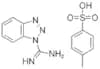
CAS 163853-10-9
:BCAT
Description:
BCAT, or branched-chain amino acid transaminase, is an enzyme involved in the metabolism of branched-chain amino acids (BCAAs) such as leucine, isoleucine, and valine. The CAS number 163853-10-9 refers to a specific chemical compound, which is often associated with its role in biochemical pathways rather than being a standalone substance. BCAT catalyzes the transamination reaction, facilitating the transfer of amino groups between amino acids and α-keto acids, which is crucial for amino acid catabolism and energy production. This enzyme is primarily found in the liver and muscle tissues, playing a significant role in regulating nitrogen balance and energy metabolism. Its activity can be influenced by various factors, including nutritional status and exercise. Abnormalities in BCAT function can lead to metabolic disorders, highlighting its importance in human health. Understanding the characteristics and functions of BCAT is essential for research in metabolic diseases and potential therapeutic interventions.
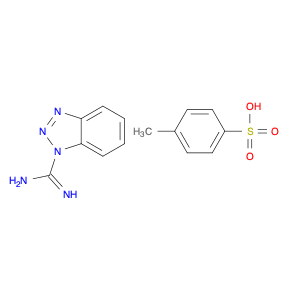
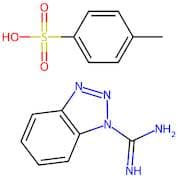
Formula:C14H15N5O3S
Synonyms:- Benzotriazole-1-Carboxamidinium Tosylate
- Akos 91373
Sort by
Purity (%)
0
100
|
0
|
50
|
90
|
95
|
100
Found 4 products.
1H-Benzotriazole-1-carboximidamide, 4-methylbenzenesulfonate (1:1)
CAS:Formula:C14H15N5O3SPurity:97%Color and Shape:SolidMolecular weight:333.3656BCAT, Benzotriazole-1-carboxamidinium tosylate
CAS:BCAT is a research tool that can be used in the study of cell biology and pharmacology. BCAT is a ligand that binds to receptors, which are proteins on cells that recognize specific substances and trigger a cellular response. It can also bind to ion channels, which are proteins embedded in the membrane of cells that regulate the flow of ions across it. BCAT is an inhibitor that blocks binding between receptor and ligand, preventing the cellular response. This product is 99% pure with no detectable impurities.Formula:C14H15N5O3SPurity:Min. 95%Molecular weight:333.37 g/mol