CAS 17350-74-2
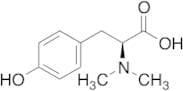
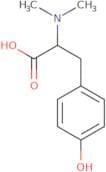
:N,N-dimethyltyrosine
Description:
N,N-Dimethyltyrosine, also known as 3,4-dimethyl-L-tyrosine, is an amino acid derivative characterized by the presence of two methyl groups attached to the nitrogen atom of the amino group in the tyrosine structure. This modification affects its solubility and biological activity. The compound is typically a white to off-white crystalline powder and is soluble in water and organic solvents, making it versatile for various applications in biochemical research. N,N-Dimethyltyrosine is often used in studies related to neurotransmitter function and protein synthesis, as it can serve as a substrate or inhibitor in enzymatic reactions. Its structural similarity to tyrosine allows it to participate in similar biochemical pathways, but the methylation alters its interaction with enzymes and receptors. Additionally, it is important in the synthesis of certain pharmaceuticals and can be utilized in the development of novel therapeutic agents. As with many amino acid derivatives, it is crucial to handle N,N-dimethyltyrosine with care, following appropriate safety protocols in laboratory settings.
Formula:C11H15NO3
InChI:InChI=1/C11H15NO3/c1-12(2)10(11(14)15)7-8-3-5-9(13)6-4-8/h3-6,10,13H,7H2,1-2H3,(H,14,15)
SMILES:CN(C)C(Cc1ccc(cc1)O)C(=O)O
Sort by
Purity (%)
0
100
|
0
|
50
|
90
|
95
|
100
Found 2 products.
N,N-Dimethyl L-Tyrosine
CAS:Controlled ProductFormula:C11H15NO3Color and Shape:NeatMolecular weight:209.242(2S)-2-(Dimethylamino)-3-(4-hydroxyphenyl)propanoic acid
CAS:(2S)-2-(Dimethylamino)-3-(4-hydroxyphenyl)propanoic acid is a potent antagonist of the ryanodine receptor (RYR), which is a calcium release channel in the sarcoplasmatic reticulum. It has been shown to inhibit neuronal death induced by oxidative injury and also to protect against mitochondrial dysfunction. This compound has also been found to be an antinociceptive agent and is detectable at low concentrations in vivo. The pharmacokinetic properties of this drug are not well understood, but it appears to be rapidly absorbed from the gastrointestinal tract and eliminated via the urinary system.Formula:C11H15NO3Purity:Min. 95%Color and Shape:PowderMolecular weight:209.24 g/mol