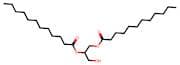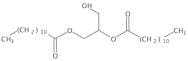
CAS 17598-94-6
:didansylhistamine
Description:
Didansylhistamine is a chemical compound known for its role as a fluorescent probe in biochemical research. It is a derivative of histamine, characterized by the presence of two dansyl groups, which contribute to its fluorescent properties. The compound is typically used in studies involving histamine receptors and related biological processes. Didansylhistamine exhibits solubility in organic solvents, making it suitable for various laboratory applications. Its fluorescence can be utilized to track interactions with proteins or other biomolecules, providing insights into cellular mechanisms. Additionally, the compound's structure allows it to interact with biological systems, making it a valuable tool in pharmacological studies. As with many chemical substances, handling precautions should be observed due to potential toxicity, and it is essential to refer to safety data sheets for specific information regarding its use and disposal. Overall, didansylhistamine serves as an important reagent in the field of biochemistry and molecular biology.
Formula:C27H52O5
InChI:InChI=1/C27H52O5/c1-3-5-7-9-11-13-15-17-19-21-26(29)31-24-25(23-28)32-27(30)22-20-18-16-14-12-10-8-6-4-2/h25,28H,3-24H2,1-2H3
InChI key:InChIKey=OQQOAWVKVDAJOI-UHFFFAOYSA-N
SMILES:C(COC(CCCCCCCCCCC)=O)(OC(CCCCCCCCCCC)=O)CO
Synonyms:- 1,2-Didodecanoylglycerol
- 1,2-Dilaurin
- 1,2-Dilauroyl-rac-glycerol
- 1,2-Dilauroyl-sn-glycerol
- 1,2-O-Dilauroylglycerol
- 2,3-Dilauroyl-D-glycerol
- Dodecanoic acid, 1-(hydroxymethyl)-1,2-ethanediyl ester
- Glycerol 1,2-didodecanoate
- Glycerol 1,2-dilaurate
- Glyceryl 1,2-dilaurate
- Laurin, 1,2-di-
- rac-1,2-Didodecanoylglycerol
- DILAURIN (C12:0)
- 1,2,3-Propanetriol 1,2-didodecanoate
- DIDODECANOIN
- DILAURIN
- Diglyceride
- 1,3-dilaurate glycerol
- Didodecanoic acid 3-hydroxy-1,2-propanediyl ester
- See more synonyms
Sort by
Purity (%)
0
100
|
0
|
50
|
90
|
95
|
100
Found 4 products.
Diglyceride
CAS:Diglyceride is a lipid that has been shown to be involved in the regulation of cytosolic calcium. It has been shown to induce the activity of enzymes such as hexokinase, phosphofructokinase, and pyruvate kinase in vitro. The optimum concentration for diglyceride induction is 10-100 μM. This lipid was also shown to be potent inducers of enzyme activities. Diglyceride is a natural compound that can be found in plants. It plays a role in plant physiology, with its most common function being storage of energy. Langmuir adsorption isotherm studies have shown that diglyceride binds weakly to water vapor molecules.Formula:C27H52O5Purity:Min. 95%Color and Shape:PowderMolecular weight:456.7 g/mol