CAS 17659-49-3
:Anisodamine
Description:
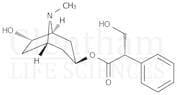
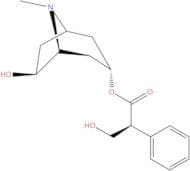
Anisodamine, with the CAS number 17659-49-3, is a chemical compound that belongs to the class of tropane alkaloids. It is primarily derived from the plant Anisodus tanguticus and exhibits anticholinergic properties, which means it can inhibit the action of the neurotransmitter acetylcholine. Anisodamine is known for its potential therapeutic applications, particularly in the treatment of conditions such as cardiovascular disorders and certain types of poisoning. The compound functions by blocking muscarinic receptors, leading to effects such as vasodilation and reduced secretions. Its pharmacological profile includes the ability to alleviate symptoms associated with bradycardia and hypotension. Additionally, anisodamine has been studied for its neuroprotective effects and potential use in managing cerebral ischemia. However, like many alkaloids, it may also have side effects, including dry mouth, blurred vision, and increased heart rate. Overall, anisodamine is a compound of interest in both medicinal chemistry and pharmacology due to its diverse biological activities.
Formula:C17H23NO4
Sort by
Purity (%)
0
100
|
0
|
50
|
90
|
95
|
100
Found 9 products.
Racanisodamine
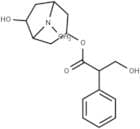
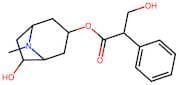
CAS:Racanisodamine (7β-Hydroxyhyoscyamine) is an anticholinergic and α1-adrenergic receptor antagonist used in the treatment of acute circulatory shock.Formula:C17H23NO4Purity:98.67% - 99.76%Color and Shape:SolidMolecular weight:305.376-Hydroxy-8-Methyl-8-Azabicyclo[3.2.1]Octan-3-Yl 3-Hydroxy-2-Phenylpropanoate
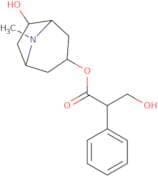
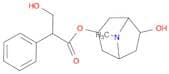
CAS:6-Hydroxy-8-Methyl-8-Azabicyclo[3.2.1]Octan-3-Yl 3-Hydroxy-2-PhenylpropanoatePurity:97%Molecular weight:305.37g/molRacanisodamine
CAS:Racanisodamine is a natural compound that has antioxidative properties and reduces disease activity in experimental models. It was found to inhibit the phosphorylation of the α7 nicotinic acetylcholine receptor and showed anti-inflammatory effects in animal models. Racanisodamine has been shown to bind dna with high affinity, and its binding activity is increased by glucose injection. The binding process is reversible, which may be due to anisodamine binding to DNA bases. Racanisodamine also binds to the anhydrous sodium salt of pueraria lobata (PL), which may have a stabilizing effect on racanisodamine's structure.Formula:C17H23NO4Purity:Min. 95%Molecular weight:305.37 g/mol



![6-Hydroxy-8-Methyl-8-Azabicyclo[3.2.1]Octan-3-Yl 3-Hydroxy-2-Phenylpropanoate](/_next/image/?url=https%3A%2Fstatic.cymitquimica.com%2Fproducts%2F54%2Fthumb%2FOR1028527.jpg&w=3840&q=75)