CAS 1796-83-4
:3,4-Pyridinedicarboxylicacid, 3,4-dimethyl ester
Description:
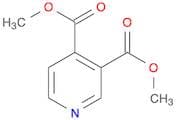
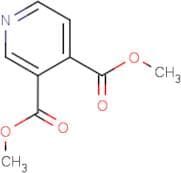
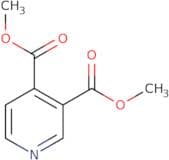
3,4-Pyridinedicarboxylic acid, 3,4-dimethyl ester, also known by its CAS number 1796-83-4, is an organic compound characterized by its pyridine ring structure substituted with two carboxylic acid ester groups and two methyl groups. This compound typically appears as a colorless to pale yellow liquid or solid, depending on its form and purity. It is soluble in organic solvents such as ethanol and acetone but has limited solubility in water due to its hydrophobic methyl groups. The presence of the pyridine ring imparts basic properties, allowing it to participate in various chemical reactions, including esterification and nucleophilic substitutions. This compound may be utilized in organic synthesis, particularly in the preparation of pharmaceuticals and agrochemicals, owing to its potential biological activity. Additionally, its derivatives can exhibit interesting properties that make them useful in materials science and as intermediates in chemical synthesis. Safety precautions should be observed when handling this compound, as with many organic chemicals, due to potential toxicity and environmental impact.
Formula:C9H9NO4
Synonyms:- 3,4-Pyridinedicarboxylicacid, dimethyl ester (6CI,7CI,8CI,9CI)
- Cinchomeronic acid, dimethyl ester
- Dimethyl 3,4-pyridinedicarboxylate
- Dimethyl pyridine-3,4-dicarboxylate
Sort by
Purity (%)
0
100
|
0
|
50
|
90
|
95
|
100
Found 4 products.
3,4-Pyridinedicarboxylic acid, 3,4-dimethyl ester
CAS:Formula:C9H9NO4Purity:98%Color and Shape:LiquidMolecular weight:195.17213,4-Dimethyl pyridine-3,4-dicarboxylate
CAS:3,4-Dimethyl pyridine-3,4-dicarboxylatePurity:96%Molecular weight:195.17g/molDimethyl pyridine-3,4-dicarboxylate
CAS:Dimethyl pyridine-3,4-dicarboxylate is an organic compound that is used as a precursor to make other chemicals. It is a pyridinedicarboxylic acid and it can be synthesized from the reduction of pyridine with sodium borohydride in ethanol. Dimethyl pyridine-3,4-dicarboxylate is also used in the production of acetaldehyde by way of hydrosilylation with chloride and chloroform. This chemical has been found to be useful for the synthesis of various drugs such as antiepileptics, antihistamines, antipsychotics, and antidepressants.Formula:C9H9NO4Purity:Min. 95%Molecular weight:195.17 g/mol