CAS 180961-65-3
:Spiramilactone B
Description:
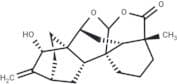
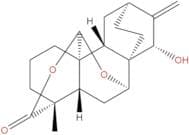
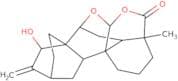
Spiramilactone B is a natural compound classified as a lactone, which is a cyclic ester formed from the reaction of an alcohol and a carboxylic acid. It is derived from certain fungal species and is known for its potential bioactive properties. The molecular structure of Spiramilactone B features a unique arrangement of carbon, hydrogen, and oxygen atoms, contributing to its chemical reactivity and biological activity. This compound has garnered interest in the field of medicinal chemistry due to its possible applications in pharmaceuticals, particularly in the development of new therapeutic agents. Spiramilactone B may exhibit various biological activities, including antimicrobial and anti-inflammatory effects, although specific mechanisms of action and efficacy require further investigation. Its relatively complex structure and the presence of functional groups make it a subject of interest for synthetic chemists aiming to explore its derivatives and analogs for enhanced biological activity. As with many natural products, the study of Spiramilactone B contributes to the broader understanding of chemical diversity and its implications in drug discovery.
Sort by
Purity (%)
0
100
|
0
|
50
|
90
|
95
|
100
Found 4 products.
Atis-16-en-18-oic acid, 7,20-epoxy-15,20-dihydroxy-, δ-lactone, (4α,5β,7α,8α,9β,10α,12α,15α,20S)- (9CI)
CAS:Formula:C20H26O4Purity:97.0%Molecular weight:330.4180Spiramilactone B
CAS:Spiramilactone B is a natural product of Spiraea, Rosaceae.Formula:C20H26O4Purity:98%Color and Shape:SolidMolecular weight:330.42Spiramilactone B
CAS:Spiramilactone B is a naturally occurring compound that is classified as a polyketide. It is derived from marine-derived bacteria, specifically from the genus Streptomyces. The mode of action of Spiramilactone B involves the inhibition of tumor cell proliferation, likely through mechanisms that interfere with cancer cell signaling pathways or induce apoptosis.
Formula:C20H26O4Purity:Min. 95%Molecular weight:330.4 g/mol