CAS 18113-07-0
:4-Chloro-3-methoxyphenol
Description:
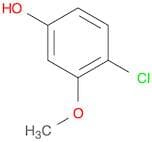
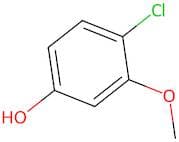
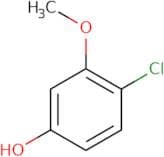
4-Chloro-3-methoxyphenol, also known as p-chloro-methoxyphenol, is an organic compound characterized by its phenolic structure, which includes a chlorine atom and a methoxy group attached to a benzene ring. The presence of the chlorine atom at the para position and the methoxy group at the meta position relative to the hydroxyl group contributes to its unique chemical properties. This compound typically appears as a solid or crystalline substance and is soluble in organic solvents. It exhibits moderate to low toxicity and is often used in various applications, including as an intermediate in the synthesis of pharmaceuticals, agrochemicals, and other organic compounds. Additionally, its phenolic nature allows it to participate in various chemical reactions, such as electrophilic substitution and oxidation. Safety precautions should be taken when handling this compound, as it may cause irritation to the skin and eyes. Overall, 4-Chloro-3-methoxyphenol is a valuable compound in organic synthesis and research.
Formula:C7H7ClO2
InChI:InChI=1S/C7H7ClO2/c1-10-7-4-5(9)2-3-6(7)8/h2-4,9H,1H3
InChI key:InChIKey=NKFRBXPBRPYULV-UHFFFAOYSA-N
SMILES:O(C)C1=C(Cl)C=CC(O)=C1
Synonyms:- 4-Chloro-3-Methoxyphenol
- Phenol, 4-chloro-3-methoxy-
Sort by
Purity (%)
0
100
|
0
|
50
|
90
|
95
|
100
Found 4 products.
Phenol, 4-chloro-3-methoxy-
CAS:Formula:C7H7ClO2Purity:95%Color and Shape:SolidMolecular weight:158.58234-Chloro-3-methoxyphenol
CAS:4-Chloro-3-methoxyphenolFormula:C7H7ClO2Purity:95%Color and Shape: faint red crystalline powderMolecular weight:158.58g/mol4-Chloro-3-methoxy phenol
CAS:4-Chloro-3-methoxy phenol is a chemical that belongs to the group of halogenated aromatic compounds. It is a colorless liquid with a sweet odor. 4-Chloro-3-methoxy phenol has been found to be absorbed by humans through inhalation and ingestion. The absorbed dose is dependent on the individual's weight, and the radiation dose depends on the type of radiation used. 4-Chloro-3-methoxy phenol can be synthesized by reacting 2 chloroanisole with chlorine gas in an experimental reaction mechanism. This compound reacts with DNA bases and causes mutations, as well as producing reactive oxygen species that can cause oxidative damage to DNA.Formula:C7H7CIO2Purity:Min. 95%Molecular weight:158.58 g/mol