CAS 18278-24-5
:1-Naphthalenecarboxaldehyde, 1,2,3,4-tetrahydro-
Description:
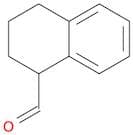
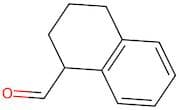
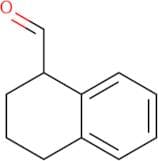
1-Naphthalenecarboxaldehyde, 1,2,3,4-tetrahydro- is an organic compound characterized by its structure, which features a naphthalene ring system with a carboxaldehyde functional group. This compound is a derivative of naphthalene, a polycyclic aromatic hydrocarbon, and is notable for its tetrahydro configuration, indicating that it has undergone partial hydrogenation, resulting in a saturated ring structure. The presence of the aldehyde group contributes to its reactivity, making it a potential candidate for various chemical reactions, including condensation and oxidation. This compound is typically used in organic synthesis and may serve as an intermediate in the production of other chemical substances. Its physical properties, such as boiling point, melting point, and solubility, can vary based on the specific conditions and purity of the sample. As with many organic compounds, safety precautions should be observed when handling it, as it may pose health risks if inhaled or ingested.
Formula:C11H12O
Sort by
Purity (%)
0
100
|
0
|
50
|
90
|
95
|
100
Found 4 products.
1-NAPHTHALENECARBOXALDEHYDE, 1,2,3,4-TETRAHYDRO-
CAS:Formula:C11H12OPurity:95%Color and Shape:LiquidMolecular weight:160.21241,2,3,4-Tetrahydronaphthalene-1-carbaldehyde
CAS:1,2,3,4-Tetrahydronaphthalene-1-carbaldehydePurity:95%Molecular weight:160.22g/mol1,2,3,4-Tetrahydronaphthalene-1-carbaldehyde
CAS:1,2,3,4-Tetrahydronaphthalene-1-carbaldehyde is an organic compound that contains a nitrogen atom. It is used to treat autoimmune diseases and eye disorders. The compound has been shown to inhibit the production of glutamate in the retina of rats with experimental autoimmune encephalomyelitis (EAE), which may be due to its ability to suppress the activation of microglia cells and the release of proinflammatory cytokines. Tetrahydronaphthalene-1-carbaldehyde also inhibits cancer cell growth by binding to estrogen receptors and regulating gene expression. This drug also has anti-inflammatory effects by inhibiting cyclooxygenase 2 and lipoxygenase, as well as being a control agent for chronic kidney disease.Formula:C11H12OPurity:Min. 95%Color and Shape:Clear LiquidMolecular weight:160.22 g/mol