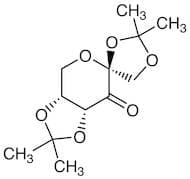
CAS 18422-53-2
:1,2:4,5-di-O-isopropylidene-B-D-*erythro-2,3-hexo
Description:
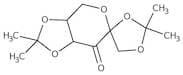
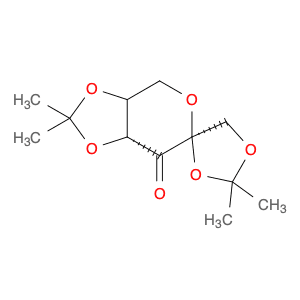
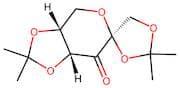
1,2:4,5-Di-O-isopropylidene-β-D-erythro-2,3-hexodiol, commonly referred to by its CAS number 18422-53-2, is a carbohydrate derivative characterized by the presence of two isopropylidene protecting groups. This compound is a hexose sugar derivative, specifically a β-anomer of erythro configuration, which influences its stereochemistry and reactivity. The isopropylidene groups serve to protect the hydroxyl functionalities during synthetic transformations, making it a valuable intermediate in carbohydrate chemistry. The compound is typically a white to off-white solid, soluble in organic solvents such as methanol and dichloromethane, but less soluble in water due to its hydrophobic protecting groups. Its structure allows for various chemical modifications, facilitating the synthesis of more complex carbohydrate structures. The compound is primarily used in research and development, particularly in the synthesis of glycosides and other carbohydrate-based molecules. As with many chemical substances, proper handling and safety precautions should be observed due to potential reactivity and toxicity.
Formula:C12H18O6
InChI:InChI=1/C12H18O6/c1-10(2)15-6-12(18-10)9(13)8-7(5-14-12)16-11(3,4)17-8/h7-8H,5-6H2,1-4H3/t7-,8-,12+/m1/s1
Synonyms:- D-Epoxone(rg
- D-Epoxone
- (3a'R,4S,7a'R)-2,2,2',2'-tetramethyldihydrospiro[1,3-dioxolane-4,6'-[1,3]dioxolo[4,5-c]pyran]-7'(4'H)-one (non-preferred name)
Sort by
Purity (%)
0
100
|
0
|
50
|
90
|
95
|
100
Found 7 products.
D-Epoxone, 98%
CAS:D-Epoxone is a chemical reagent used for enantioselective epoxidation of alkenes. It is involved in the synthesis of Irciniastatin (A and B), which are used as antitumor compounds. It is used as cytotoxic secondary metabolite. This Thermo Scientific Chemicals brand product was originally part of thFormula:C12H18O6Purity:98%Color and Shape:White, Crystals or powder or crystalline powderMolecular weight:258.271,2:4,5-DI-O-ISOPROPYLIDENE-β-D-ERYTHRO-2,3-HEXODIULO-2,6-PYRANOSE
CAS:Formula:C12H18O6Purity:95%Color and Shape:SolidMolecular weight:258.26771,2:4,5-Di-O-Isopropylidene-β-D-Erythro-2,3-Hexodiulo-2,6-Pyranose
CAS:1,2:4,5-Di-O-Isopropylidene-β-D-Erythro-2,3-Hexodiulo-2,6-PyranosePurity:98%Molecular weight:258.27g/mol1,2:4,5-Di-O-isopropylidene-b-D-erythro-2,3-hexodiulo-2,6-pyranose
CAS:Formula:C12H18O6Molecular weight:258.27Shi Epoxidation Diketal Catalyst
CAS:Formula:C12H18O6Purity:>98.0%(GC)Color and Shape:White to Light yellow powder to crystalMolecular weight:258.27Shi Epoxidation Diketal Catalyst
CAS:Formula:C12H18O6Purity:99%Color and Shape:Solid, Crystalline Powder or PowderMolecular weight:258.271,2:4,5-Di-O-isopropylidene-b-D-erythro-2,3-hexodiulo-2,6-pyranose
CAS:1,2:4,5-Di-O-isopropylidene-b-D-erythro-2,3-hexodiulo-2,6-pyranose is an acidic compound that is a constituent of the ginseng plant. It has been shown to have biochemical properties as well as bioactivities. It can be synthesized in vivo from the amino acid L-lysine by the enzyme diammonium glyoxalate reductase. The compound has two chiral centers and four stereogenic centers. It is a trisubstituted diastereomer with oxygenated ring opening and chemical structures consisting of a pyranose ring and an ethylene glycol moiety.Formula:C12H18O6Purity:Min. 95%Molecular weight:258.27 g/mol