CAS 1843-21-6
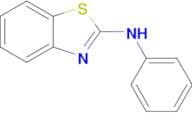
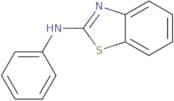
:N-PHENYL-1,3-BENZOTHIAZOL-2-AMINE
- 2-Benzothiazolamine, N-phenyl-
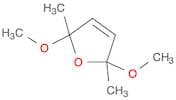
2,5-dimethoxy-2,5-dimethyl-2,5-dihydrofuran
CAS:Formula:C13H10N2SPurity:95%Color and Shape:SolidMolecular weight:226.2969N-Phenyl-1,3-benzothiazol-2-amine
CAS:N-Phenyl-1,3-benzothiazol-2-aminePurity:95%Molecular weight:226.30g/molN-Phenyl-1,3-benzothiazol-2-amine
CAS:N-Phenyl-1,3-benzothiazol-2-amine is a synthetic aromatic compound that has been used as an antiviral agent. It inhibits the replication of RNA by binding to the carbon disulphide group in the ribose moiety of nucleosides. This prevents formation of the helix structure and stops synthesis of viral DNA. N-Phenyl-1,3-benzothiazol-2-amine is also active against influenza A virus and some other viruses. The molecular descriptors for this compound are nitrogen atoms (N), stabilization (S), cb1 receptor (Cb1) and virus activity (V). This substance is an active ingredient in many pharmaceuticals, such as cough syrup, pain relief tablets, and eye drops. It can be synthesized from copper oxide and chloride or introduced into a drug formulation by impurities.
Formula:C13H10N2SPurity:Min. 95%Molecular weight:226.3 g/molRef: 3D-BAA84321
Discontinued product