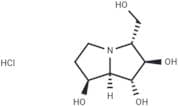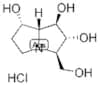
CAS 186766-07-4
:AUSTRALINE HYDROCHLORIDE
Description:
Australine hydrochloride is a chemical compound that belongs to the class of alkaloids, specifically derived from the plant species in the family of Apocynaceae. It is characterized by its hydrochloride salt form, which enhances its solubility in water, making it suitable for various pharmaceutical applications. The compound exhibits biological activity, often studied for its potential therapeutic effects, particularly in the context of neurological and cardiovascular research. Its molecular structure includes a complex arrangement of carbon, hydrogen, nitrogen, and chlorine atoms, contributing to its pharmacological properties. As with many chemical substances, handling australine hydrochloride requires adherence to safety protocols due to its bioactive nature. It is essential to consult specific literature for detailed information regarding its synthesis, mechanism of action, and potential side effects. Overall, australine hydrochloride represents a significant interest in medicinal chemistry, with ongoing research aimed at elucidating its full range of biological effects and potential applications in drug development.
Formula:C8H16ClNO4
Synonyms:- Australine Hcl
- Australine, Hydrochloride, Castanospermum Australe
- (1R,2R,3R,7S,7Ar)-3-Hydroxymethyl-1,2,7-Trihydroxypyrrolizidine Hcl
- (1R,2R,3R,7S,7Ar)-3-Hydroxymethyl-1,2,7-Trihydroxypyrrolizidine, Hydrochloride
- 1H-Pyrrolizine-1,2,7-triol, hexahydro-3-(hydroxymethyl)-, (1R,2R,3R,7S,7aR)-
Sort by
Purity (%)
0
100
|
0
|
50
|
90
|
95
|
100
Found 2 products.
Australine (hydrochloride)
CAS:Australine: pyrrolizidine alkaloid, inhibits glucoamylase (IC50=5.8μM), several glucosidases; selective, affects viral glycoprotein processing.Formula:C8H16ClNO4Color and Shape:SolidMolecular weight:225.67Australine hydrochloride
CAS:Australine hydrochloride is a synthetic compound, which is derived from the alkaloid family, often designed through chemical synthesis or modified from naturally occurring plant alkaloids. Its mode of action involves the selective inhibition of certain glycosidases, particularly those involved in glycoprotein processing and metabolism. This blockade can alter carbohydrate processing pathways, leading to changes in cellular glycoprotein composition and function.
Formula:C8H15NO4·HClPurity:(%) Min. 98%Color and Shape:White PowderMolecular weight:225.67 g/mol