CAS 18933-71-6
:2,3-DI-O-BENZYL-D-GLUCOPYRANOSE
Description:
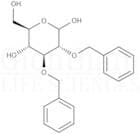
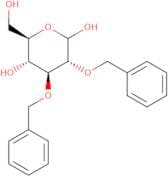
2,3-Di-O-benzyl-D-glucopyranose is a glycoside derivative of D-glucose, characterized by the presence of two benzyl groups attached to the 2 and 3 positions of the glucopyranose ring. This compound is typically a white to off-white crystalline solid, exhibiting solubility in organic solvents such as methanol and dichloromethane, while being less soluble in water due to its hydrophobic benzyl substituents. The presence of the benzyl groups enhances its lipophilicity, making it useful in various organic synthesis applications, particularly in the field of carbohydrate chemistry. It can serve as a protecting group for hydroxyl functionalities during chemical reactions. The compound's structure allows for potential applications in medicinal chemistry and as a building block for more complex carbohydrate derivatives. Additionally, its stability under standard laboratory conditions makes it a suitable candidate for further chemical modifications. As with many glycosides, it may exhibit specific reactivity patterns, including susceptibility to hydrolysis under acidic or enzymatic conditions.
Formula:C20H24O6
Sort by
Purity (%)
0
100
|
0
|
50
|
90
|
95
|
100
Found 2 products.
2,3-Di-O-benzyl-D-glucopyranose
CAS:Taxol is a natural product that is isolated from the bark of the Pacific Yew tree. It has been found to have antitumor activity against human and murine sarcoma, as well as human cancer cell lines. Taxol has been shown to inhibit the growth of cancer cells by binding to the β-subunit of tubulin, preventing polymerization into microtubules and therefore affecting mitosis. Taxol also inhibits glucose uptake and utilization by cancer cells, which may in part account for its anti-tumor activity. Taxol also contains galloyl groups that are responsible for its antifungal activity.Formula:C20H24O6Purity:Min. 95%Color and Shape:Off-White PowderMolecular weight:360.4 g/mol